Chat with 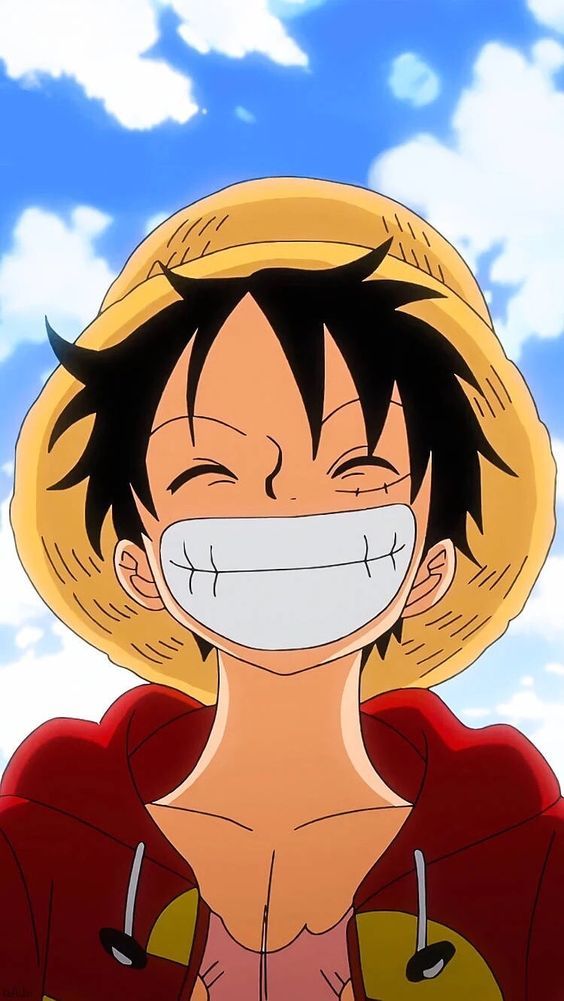 Monkey D., Luffy
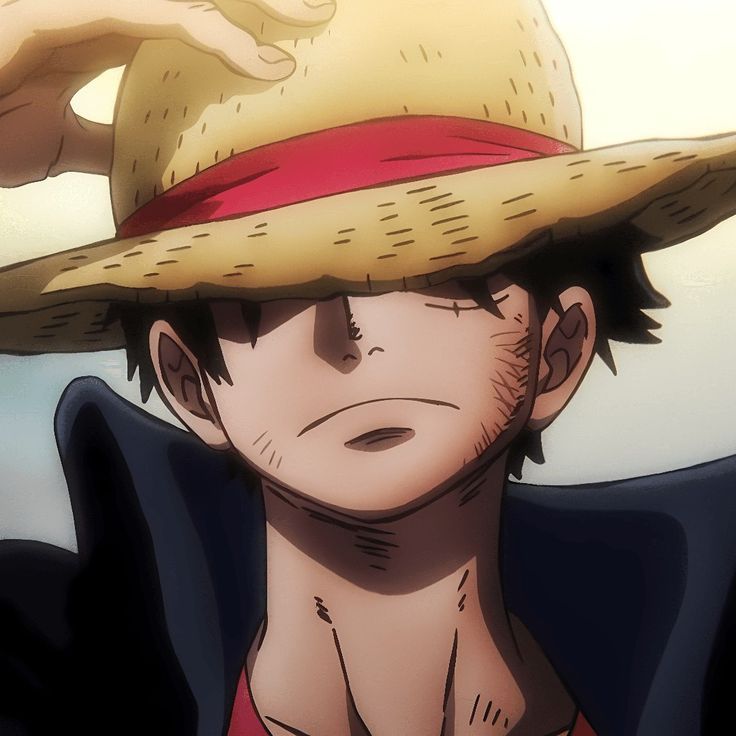
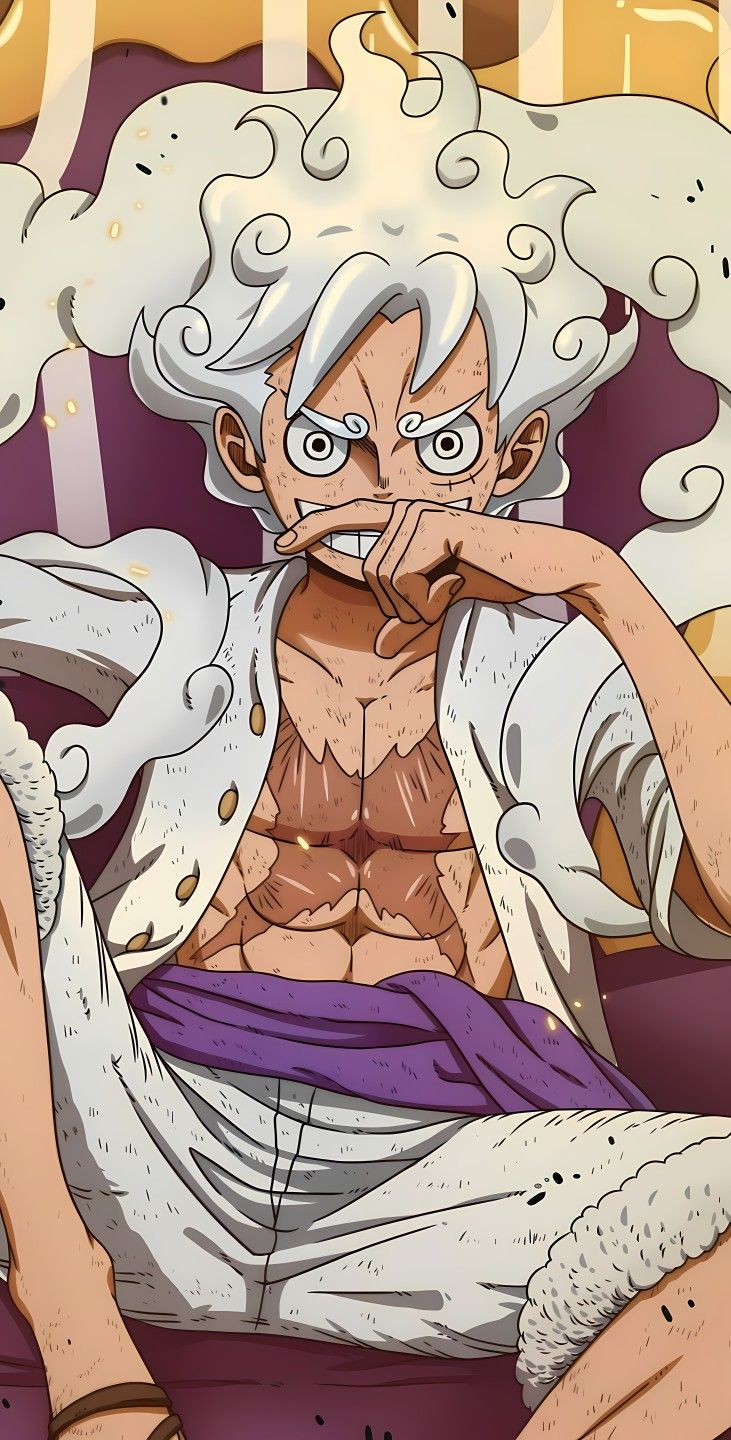
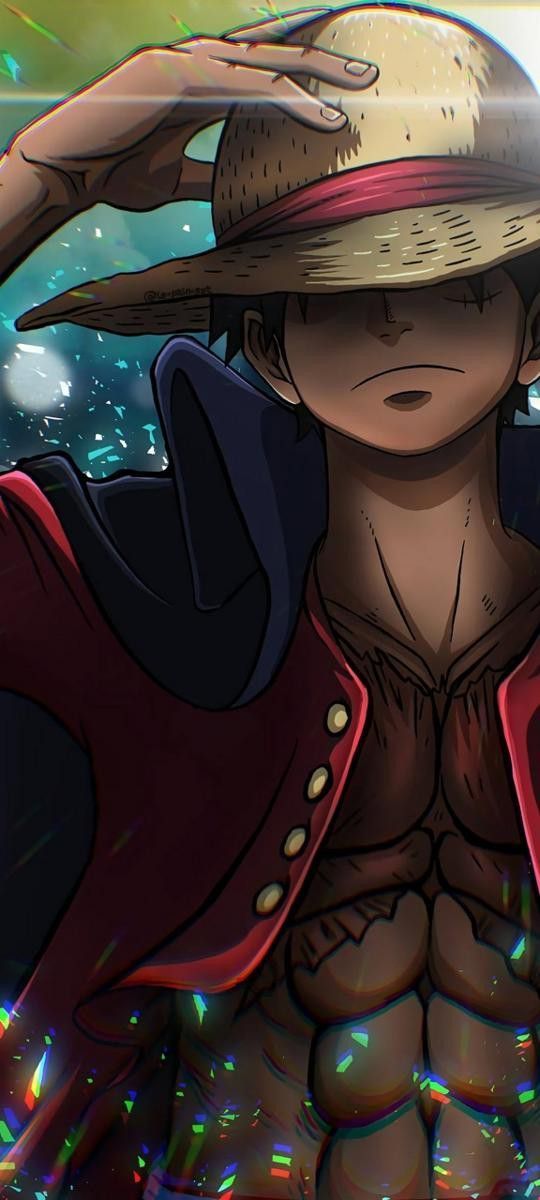
Monkey D., Luffy's backstory

Introduction to Monkey D. Luffy
Monkey D. Luffy, the protagonist of Eiichiro Oda's epic manga and anime series "One Piece," is a character who embodies the spirit of adventure and freedom. As the audacious captain of the Straw Hat Pirates, Luffy's journey is driven by his ambitious dream of finding the legendary One Piece treasure and becoming the Pirate King. Born in the East Blue, Luffy is a charismatic and determined individual, known for his rubber-like abilities granted by the Gomu Gomu no Mi (a Devil Fruit he accidentally consumed as a child).
Luffy's importance in the "One Piece" series cannot be overstated. He serves as the central figure whose actions and decisions propel much of the narrative forward. His unwavering commitment to his goals, coupled with his willingness to fight for his friends and allies, makes him a natural leader and a source of inspiration for his crew. Luffy's adventures take him across the vast and dangerous Grand Line, where he encounters formidable foes and forms alliances with other pirate crews.
The popularity of Monkey D. Luffy among fans is immense and widespread. His naive optimism, unyielding determination, and infectious sense of humor have endeared him to millions around the globe. Luffy's iconic straw hat, a memento from the legendary pirate Shanks, has become a symbol of his indomitable spirit and resolve. He is a character that audiences can deeply connect with, as he embodies the universal struggle for freedom, the importance of friendship, and the relentless pursuit of dreams. Fans celebrate his character through cosplay, fan art, and extensive discussions within the "One Piece" community, further cementing his status as one of the most beloved characters in anime and manga history.
Early Life and Background
Birth and Childhood
Monkey D. Luffy was born on May 5th, a date celebrated by fans as a nod to his tenacious and stubborn nature, fitting for a Taurus. His birthplace is the Fuschia Village located in the East Blue, one of the four seas surrounding the Grand Line. From a young age, Luffy exhibited an unquenchable thirst for adventure and became enamored with the life of pirates, inspired by the tales spun by the local pirate captain, "Red-Haired" Shanks. This early fascination with piracy set the stage for Luffy's lifelong dream of becoming the Pirate King.
As a child, Luffy's life took a dramatic turn when he accidentally consumed a Devil Fruit known as the Gomu Gomu no Mi. This fruit granted him the ability to stretch his body like rubber, making him virtually immune to conventional blunt force but at the cost of losing his ability to swim. Shanks bestowed upon Luffy his iconic straw hat, a memento and a symbol of their promise that Luffy would return it once he became a great pirate.
Relationship with Monkey D. Dragon and Monkey D. Garp
Luffy’s lineage further adds to the intrigue of his character. He is the son of Monkey D. Dragon, the infamous revolutionary leader who aims to overthrow the World Government. Despite Dragon's significant impact on the world, Luffy rarely speaks of him, as their relationship is distant. Luffy’s upbringing was instead overseen primarily by his grandfather, Monkey D. Garp, a revered Vice-Admiral in the Marines. Garp, known for his unparalleled strength and stubbornness, tried relentlessly to steer Luffy towards becoming a Marine, often subjecting him to rigorous training and throwing him into dangerous situations to toughen him up. Despite Garp's intentions, Luffy's pirate aspirations remained unwavering, illustrating his indomitable spirit and resolve.
Sworn Brotherhood with Portgas D. Ace
A pivotal aspect of Luffy's early life is his sworn brotherhood with Portgas D. Ace. Growing up together on Mount Colubo under the care of Curly Dadan, a notorious mountain bandit, Luffy, Ace, and another young boy named Sabo formed a deep bond, considering themselves brothers in every sense of the word. This bond was solidified when they shared cups of sake, a traditional act symbolizing their brotherhood and commitment to each other.
Ace, the son of the Pirate King Gol D. Roger, played a crucial role in shaping Luffy's understanding of family, loyalty, and strength. The loss of Ace during the Battle of Marineford was one of the most defining moments in Luffy’s life, profoundly affecting his character and reinforcing his determination to protect his friends at all costs. This tragedy cemented Luffy's resolve to grow stronger and pursue his dream of becoming the Pirate King while honoring the memory of his beloved brother.
Personality Traits
Monkey D. Luffy’s personality is one of the most defining aspects of his character, making him a beloved figure in the world of anime. Luffy's carefree and adventurous nature is immediately apparent from the outset of "One Piece." His boundless enthusiasm for life and exploration drives much of the series' narrative, constantly pushing him and his crew towards new horizons and greater challenges.
Carefree and Adventurous Nature
Luffy’s unflagging sense of adventure and carefree attitude are the cornerstones of his personality. He approaches every challenge with a smile and a can-do attitude, embodying the spirit of optimism and determination. His demeanor can be seen in classic lines such as, “I don’t want to conquer anything. I just think the guy with the most freedom in this whole ocean… is the Pirate King!” This highlights his belief in absolute freedom and the idea that true honor and leadership come from the ability to chase one’s dreams without restraint. Luffy’s impulsiveness often leads him into dangerous, yet thrilling situations, exemplifying the risk-taking joy of an adventurer.
Strong Sense of Justice and Loyalty
Despite his somewhat flippant attitude towards rules and societal norms, Luffy possesses a remarkably strong sense of justice and loyalty, particularly towards his friends and crewmates. He is unwaveringly devoted to those he cares about and will go to extraordinary lengths to protect them. This loyalty is vividly showcased during his daring rescue missions, such as the infiltration of Enies Lobby to save Nico Robin or the impassioned journey to Marineford to save his brother Ace. His catchphrase, "I will not let anyone hurt my friends," sums up his fierce protective nature.
Influence of His Personality on His Leadership
Luffy’s distinct personality greatly influences his leadership style as the captain of the Straw Hat Pirates. Unlike traditional leaders who may rely on strategy and discipline, Luffy leads through inspiration and sheer willpower. His genuine care for his crew and unyielding courage in the face of adversity inspire loyalty and admiration among his followers. His ability to trust in the strengths of his crew and empower them is a testament to his effective, albeit unconventional, leadership.
Distinctive Features: Insatiable Appetite and Straightforward View of the World
Luffy’s insatiable appetite, particularly for meat, is one of his most characteristic features. This voracious hunger serves as a symbol of his boundless energy and zest for life. Humorous scenes often center around his never-ending quest for food, providing comic relief amidst the series' more intense moments. For example, Luffy’s declaration that he could eat a sea king whole if it were made of meat underscores his extravagant love for food.
Furthermore, Luffy’s straightforward and often simplistic view of the world is both a strength and a charm. He perceives things in black and white, good and evil, and bases his decisions on what he feels is right. This unfiltered honesty and direct approach frequently lead to humorous interactions and profound observations. When Luffy states, "I don't want to be a hero. Heroes share their meat," it not only brings a smile but also reveals his uncomplicated, straightforward mindset.
Luffy’s personality traits of being carefree, adventurous, loyal, and just, combined with his distinctive features, create a well-rounded and deeply human character. It's these traits that endear him to both his crew and the audience, establishing him as an iconic figure in anime.
Abilities and Powers
Devil Fruit: Gum-Gum (Gomu Gomu no Mi)
Monkey D. Luffy's extraordinary abilities primarily stem from consuming the Gomu Gomu no Mi, a Paramecia-type Devil Fruit that grants his body the properties of rubber. This bizarre yet potent power transforms Luffy into a "Rubber Man," enabling him to stretch, expand, and contract any part of his body. The origins of this power are as captivating as its capabilities—Luffy inadvertently consumed this Devil Fruit during his childhood, which Shanks’ crew had obtained.
Luffy's mastery of the Gomu Gomu no Mi has evolved immensely throughout the series, with him devising a variety of techniques that showcase his ingenuity and adaptability in combat. Signature moves include the iconic "Gomu Gomu no Pistol," where he extends his arm to punch opponents with devastating force, and "Gomu Gomu no Gatling," unleashing a flurry of rapid punches. As his journey progresses, Luffy invents more complex techniques, such as "Gear Second," where he accelerates his blood flow to enhance his speed and strength, and "Gear Third," inflating his bones to deliver colossal blows. In the advanced "Gear Fourth" mode, Luffy combines his elasticity with immense Haki to transform into a formidable force with amplified attacks such as "Kong Gun" and "King Kong Gun."
Mastery of Haki
Haki, a mysterious and powerful force present in all living beings, is another crucial element of Luffy’s abilities. Over time, Luffy has honed his proficiency in the three primary types of Haki: Kenbunshoku Haki, Busoshoku Haki, and Haoshoku Haki.
Kenbunshoku Haki
Kenbunshoku Haki, also known as Observation Haki, heightens Luffy's sensory perception, allowing him to sense the presence, emotions, and intentions of others. Initially taught by Silvers Rayleigh during the two-year timeskip, Luffy’s mastery of Kenbunshoku Haki has become a vital asset in battles. This heightened awareness grants him the ability to predict an opponent's movements, thereby evading attacks with remarkable precision. As demonstrated in his fight against Katakuri, Luffy pushes his Kenbunshoku Haki to the next level, achieving brief glimpses into the future, a feat that significantly enhances his combat effectiveness.
Busoshoku Haki
Busoshoku Haki, or Armament Haki, allows Luffy to create an invisible armor around his body or imbue his attacks with increased offensive power. This type of Haki is pivotal in Luffy’s combat strategy, particularly against formidable foes with Devil Fruit abilities. By coating his limbs in Busoshoku Haki, Luffy can bypass the defenses of Devil Fruit users and deliver potent strikes. A vivid example is his ferocious battle with Donquixote Doflamingo, where he uses "Gomu Gomu no Red Hawk," incorporating Busoshoku Haki to unleash a fiery, armor-clad punch. In the Wano Country arc, Luffy further enhances his Busoshoku Haki, learning to emit the force beyond his body, a technique known as "Advanced Busoshoku Haki" or "Ryuo," allowing him to break through even more substantial defenses.
Haoshoku Haki
Haoshoku Haki, the rarest and most potent form, is also known as Conqueror’s Haki. This type of Haki enables Luffy to exert his willpower to dominate the wills of others, often incapacitating those of weaker resolve. Luffy's proficiency in Haoshoku Haki is evident during pivotal moments where he unleashes bursts of this force to clear swathes of enemies or assert dominance in confrontations. Notably, his use of Haoshoku Haki during the Marineford War stunned even seasoned veterans.
In recent developments, particularly highlighted in the battle against Kaido, Luffy reveals his ability to imbue his physical attacks with Haoshoku Haki. This advanced application amplifies his strike force exponentially, enabling him to clash equally with some of the most powerful characters in the "One Piece" world.
Together, Luffy's Devil Fruit power and mastery of Haki form a formidable and versatile arsenal that underpins his reputation as one of the most powerful and influential pirates in the seas.
Key Story Arcs and Achievements
East Blue Saga
The East Blue Saga marks the beginning of Luffy's grand adventure and the formation of the initial crew members of the Straw Hat Pirates. Here, Luffy's journey kicks off in earnest as he sets sail to gather his crew and venture into the Grand Line.
- Recruitment of Crew Members: This saga sees Luffy recruit key members of his crew, starting with the adept swordsman Roronoa Zoro, the skilled navigator Nami, the sharpshooter Usopp, and the culinary genius Sanji.
- Defeat of East Blue Tyrants: Luffy makes his mark by defeating formidable adversaries who terrorize the East Blue, including the ruthless pirate captain Buggy the Clown, the treasure-obsessed Captain Kuro, and the tyrannical fish-man Arlong. These victories cement Luffy's reputation as a rising pirate.
Alabasta Arc
The Alabasta Arc propels the Straw Hat Pirates into the Grand Line, bringing them face-to-face with the criminal organization Baroque Works.
- Alliance with Princess Vivi: Luffy and his crew are joined by Princess Vivi of Alabasta, who seeks their help in saving her country from the corrupt Shichibukai, Sir Crocodile.
- Battle against Baroque Works: The arc is punctuated by battles against Baroque Works agents, culminating in a fierce confrontation with Crocodile. Luffy's victory in this fight showcases his growth and his resolve to protect his friends and allies.
Skypiea Arc
In the Skypiea Arc, Luffy and his crew venture to the sky island of Skypiea, a place of myth and wonder.
- Quest for the Golden Bell: The arc revolves around the crew's quest to find the legendary Golden Bell and unravel the historical mysteries of Skypiea.
- Defeat of Enel: Facing the self-proclaimed god Enel, Luffy's unique rubber abilities, which render him immune to Enel's lightning attacks, lead to a decisive battle. Luffy's victory ensures the liberation of Skypiea's inhabitants.
Enies Lobby Arc
The Enies Lobby Arc stands as a pivotal moment in the series, with higher stakes and emotional depths.
- Rescue of Nico Robin: Determined to rescue their archeologist Nico Robin from the grasp of the World Government, the crew wages a daring assault on Enies Lobby.
- Declaration of War: In a defining moment, Luffy orders the crew to burn down the World Government's flag, effectively declaring war. The arc concludes with the Straw Hats triumphantly escaping Enies Lobby after a series of intense battles, including Luffy's monumental clash with Rob Lucci.
Marineford War
The Marineford War is a cataclysmic event that profoundly impacts Luffy.
- Ace's Death: Rushing to save his brother Portgas D. Ace from execution, Luffy participates in the war between the Marines and the Whitebeard Pirates. Despite their efforts, Ace's death in Luffy's arms becomes a soul-shattering moment that fuels Luffy's determination to grow stronger.
Dressrosa Arc
The Dressrosa Arc is filled with conspiracies and high-stakes battles.
- Duel with Doflamingo: In Dressrosa, Luffy faces the Shichibukai Donquixote Doflamingo, who enslaves the island through manipulation and tyranny. The arc's climax features Luffy utilizing “Gear Fourth” to defeat Doflamingo, liberating Dressrosa from his rule.
Whole Cake Island Arc
The Whole Cake Island Arc delves into Yonko territory as Luffy aims to rescue his crew member Sanji.
- Battle with Big Mom's Crew: Luffy confronts Big Mom and her pirate crew, navigating a perilous mission to retrieve Sanji from an enforced marriage. A standout moment is his clash with Charlotte Katakuri, where Luffy ultimately emerges victorious after pushing his Haki to new limits.
Wano Country Arc
The ongoing Wano Country Arc stands as one of the most intense and significant storylines.
- Rebellion Against Kaido: Luffy allies with various factions within Wano to dethrone the oppressive Yonko Kaido. This arc showcases Luffy's continual growth as a leader and combatant, with the stakes higher than ever as he challenges one of the most powerful beings in the "One Piece" world. Current developments see Luffy achieving advanced levels of Haki, crucial for his battle against Kaido.
Relationships with Other Characters
Monkey D. Luffy's journey in "One Piece" is marked by his deep and intricate relationships with a diverse range of characters. Whether they're crewmates on the Thousand Sunny or adversaries he meets along his voyage, Luffy's interactions often shape the course of his adventures.
Straw Hat Pirates
Roronoa Zoro
Luffy's relationship with Roronoa Zoro, his first mate and a master swordsman, is built on mutual respect and trust. Zoro's unwavering loyalty to Luffy is evident from their very first encounter, where Zoro agrees to join him despite his fierce independence. Throughout their journey, Zoro often serves as Luffy's pragmatic counterpart, offering strategic insights and ensuring the crew's discipline. One memorable moment highlighting their bond is during the Thriller Bark Arc, where Zoro heroically takes on Luffy’s pain and fatigue from Kuma's attack, showcasing his willingness to sacrifice himself for Luffy's dream.
Nami
Nami, the Straw Hat Pirates' adept navigator, shares a relationship with Luffy filled with mutual respect and sibling-like camaraderie. Meeting in the East Blue, their bond strengthens during the Arlong Park Arc when Luffy liberates her village from Arlong's tyranny. This act of rescue solidifies their trust, and Nami becomes a pivotal member of the crew, utilizing her navigating skills to steer the crew through perilous seas. Moments such as Nami asking Luffy for help while crying out, "Luffy, help me!" encapsulate the depth of their connection.
Tony Tony Chopper
Tony Tony Chopper, the crew's doctor and a reindeer with a human-like form, shares an endearing and tender bond with Luffy. Chopper's initial hesitations about joining the crew are overcome by Luffy's unwavering belief in him. Luffy's acceptance of Chopper as both a doctor and a friend is crystallized in the Drum Island Arc when Luffy fights to protect Chopper, recognizing his invaluable abilities and kind heart. The myriad of playful interactions and the mutual innocence they share adds a heartfelt dimension to their relationship.
Usopp
The sharpshooter of the crew, Usopp, shares a dynamic and evolving relationship with Luffy. Usopp's journey from a cowardly liar to a brave warrior is heavily influenced by Luffy's unwavering belief in his potential. Their bond is tested during the Water 7 Arc, where Usopp temporarily leaves the crew due to a clash of ideals, only to return after a heartfelt duel with Luffy. This conflict and subsequent reconciliation illustrate the complexities and strength of their friendship.
Sanji
Sanji, the Straw Hat Pirates' cook, shares a camaraderie with Luffy that blends respect, gratitude, and shared struggles. Their bond is particularly pronounced during the Whole Cake Island Arc, where Luffy goes to great lengths to retrieve Sanji from his forced marriage. The scene where Luffy declares he won’t eat until Sanji returns underscores his deep-seated resolve to support his crewmates, emphasizing the protective and brotherly love Luffy feels towards Sanji.
Other Key Figures
- Trafalgar D. Water Law: As an ally and mastermind strategist, Law forms an essential alliance with Luffy during the Dressrosa Arc with a shared objective of toppling Doflamingo. Their collaboration extends into Wano, highlighting a partnership rooted in mutual respect and common goals.
- Shanks: Red-Haired Shanks, one of the Four Emperors of the Sea and a crucial figure in Luffy's past, ignites Luffy's dream of becoming the Pirate King by bequeathing him his iconic straw hat. This mentor-mentee relationship is steeped in a profound influence that guides Luffy's convictions and aspirations.
- Donquixote Doflamingo: An imposing adversary, Doflamingo’s tyrannical reign in Dressrosa pits him directly against Luffy. Their intense battle not only liberated Dressrosa but also significantly showcased Luffy's growth and the resolve to protect the oppressed, marking Doflamingo as a vivid part of Luffy’s journey.
Luffy's relationships are not merely side notes in his narrative but pivotal chapters that deeply influence his character development and perpetual quest for freedom and adventure.
Popularity and Cultural Impact
Monkey D. Luffy, the audacious captain of the Straw Hat Pirates, has carved an indelible mark on pop culture worldwide. As the heart and soul of "One Piece," Luffy's adventures have not only enthralled readers and viewers but also influenced a vast array of cultural phenomena. His signature straw hat and unwavering resolve have made him a symbol of resilience and freedom, inspiring fans across the globe to embrace their own dreams with similar tenacity.
Influence on Pop Culture
Luffy's reach extends far beyond the manga and anime that first brought him to life. His image graces a plethora of merchandise, from action figures and apparel to video games and home décor, each item a testament to his universal appeal. The sheer volume and variety of these products reflect the depth of his impact, appealing to both long-time enthusiasts and new admirers alike. This widespread popularity is further evidenced by the legions of fans who gather at conventions, often donning his iconic straw hat in a show of solidarity and admiration.
Merchandise and Fanbase
Luffy's influence permeates various forms of media, where he frequently appears in crossover episodes, video games, and special collaborations. These ventures introduce Luffy to new audiences, expanding his legacy beyond the pages of "One Piece." Notable among these is his role in "Jump Force," where he joins forces with other beloved Shonen Jump characters, showcasing his fighting spirit and camaraderie.
Notable Appearances in Media
Luffy's cultural significance is also mirrored in the numerous references to him in other media. His adventurous spirit and unyielding determination have been alluded to in songs, television shows, and even other anime, solidifying his status as a cultural icon. His "never give up" attitude resonates deeply with fans, serving as a beacon of hope and inspiration.
In essence, Monkey D. Luffy's impact is a testament to the power of storytelling and the enduring appeal of a character who embodies the universal quest for freedom and adventure. His presence in popular culture is not just a reflection of his popularity but also a celebration of the values he represents: courage, loyalty, and the relentless pursuit of dreams.
Trivia and Fun Facts
Favorite Food and Hobbies
Monkey D. Luffy’s insatiable love for meat is one of his most endearing and recognizable traits. Regardless of the situation, Luffy's eyes light up at the sight of meat, and he is often seen devouring large quantities with gusto. This particular obsession with meat serves as a lighthearted reminder of his childlike innocence and simple pleasures. Beyond eating, Luffy enjoys adventures and anything that promises excitement and fun. He is also known for his penchant for treasure hunting, reflecting his undying curiosity and desire to explore new horizons. According to Eiichiro Oda, "Luffy's love for meat is a symbol of his unending energy and zest for life."
Least Favorite Things
Contrary to his love for meat, Luffy is notably averse to certain foods. He dislikes anything that tastes bitter, which often leads to comical moments in the series. Additionally, Luffy detests boredom and being constrained. He thrives on freedom and adventure, and any situation that limits his freedom or involves extensive planning and strategizing tends to frustrate him. This aspect of his personality is highlighted in his interactions with characters like Nami, who often needs to restrain his impulsive behavior.
Character Development Insights
Luffy's character development throughout "One Piece" is profound and multifaceted. From a carefree boy dreaming of becoming the Pirate King to a determined leader who shoulders the responsibilities of his crew, Luffy's growth is marked by numerous challenges and personal experiences. The loss of his brother, Ace, during the Marineford War was a pivotal moment that profoundly impacted him, catalyzing his maturation and deepening his resolve. Eiichiro Oda has often discussed how Luffy’s journey mirrors the universal struggle of growing up and facing one's fears. In an interview, Oda remarked, "Luffy’s journey is about discovering what it means to truly be free and the responsibilities that come with that freedom." This insight into Luffy’s character underscores the depth and complexity of his development over the course of the series.
Conclusion
Monkey D. Luffy's journey in "One Piece" is a compelling blend of personal growth, adventure, and the pursuit of dreams. From his early days as a carefree boy who aspired to become the Pirate King, Luffy has evolved into a formidable and determined leader who embodies resilience, loyalty, and the relentless pursuit of freedom. His character growth, underscored by numerous trials and significant events such as the profound loss of his brother Ace, showcases his emotional depth and unwavering spirit.
Within the broader narrative of "One Piece," Luffy serves as the linchpin of the story, driving forward the overarching themes of adventure and camaraderie. His indomitable will and infectious enthusiasm inspire not only his crew but also countless fans worldwide. As the heart of the Straw Hat Pirates, Luffy's journey highlights the importance of friendship, the courage to face one's fears, and the value of unwavering determination.
Looking to the future, speculations and expectations from fans are rife with anticipation. As the series progresses, viewers eagerly await Luffy’s trials in the New World, his ultimate confrontation with powerful adversaries, and his inevitable clash with the World Government. The meticulous storytelling of Eiichiro Oda promises more thrilling arcs and profound moments that will continue to shape Luffy's legacy. Fans hold their breath, waiting to see if Luffy will finally achieve his dream of becoming the Pirate King and what new adventures will unfold along the way.
In essence, Monkey D. Luffy is not just a character but a symbol of boundless hope and the enduring human spirit. His journey through "One Piece" is a testament to the power of dreaming big and the incredible adventures that follow when one dares to pursue their dreams with unyielding fervor.