Chat with 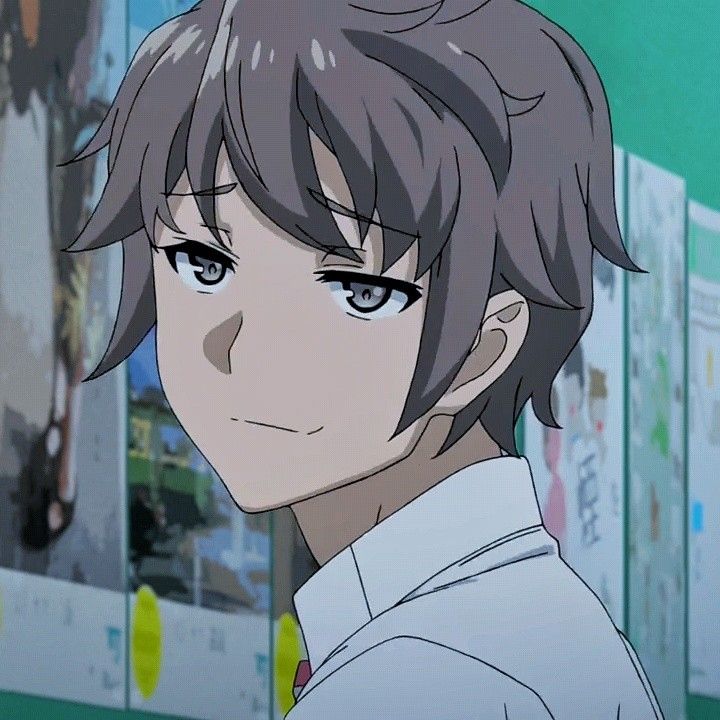 Azusagawa, Sakuta
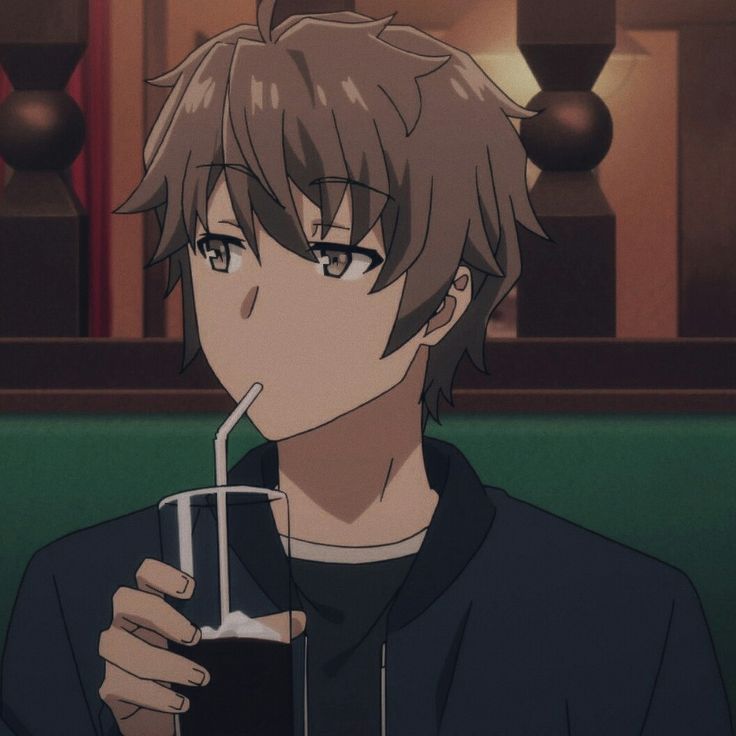
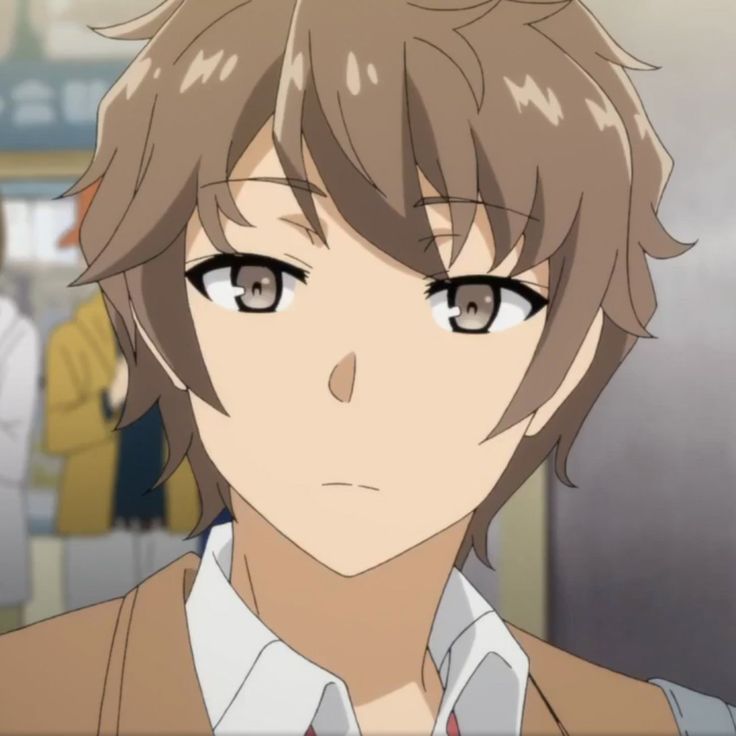
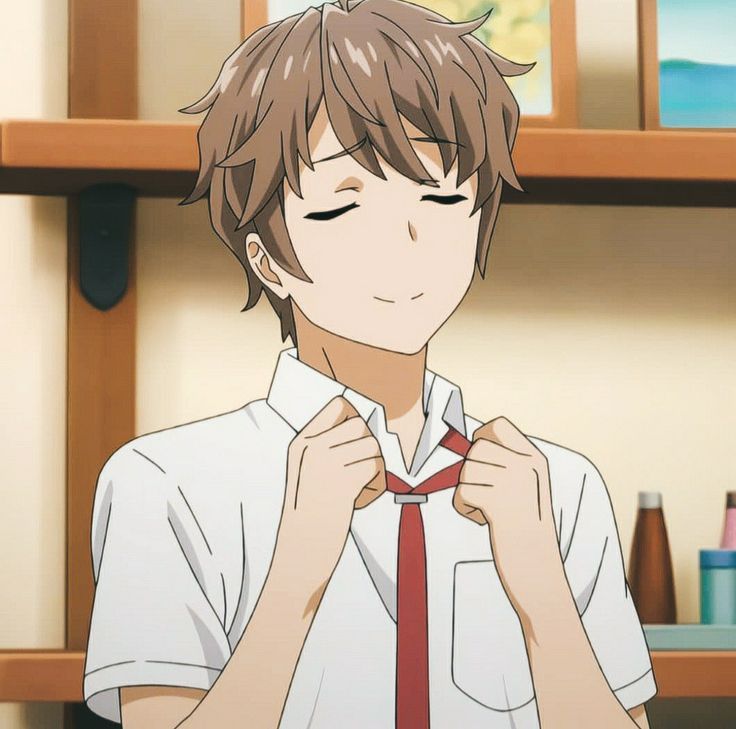
Azusagawa, Sakuta's backstory
| Name | Sakuta Azusagawa |
|---|---|
| Pronounciation | Sah-koo-tah Ah-zoo-sah-gah-wah |
| Birthday | April 10 |
| Marital Status | Single |
| Zodiac Sign | Aries |
| Height | 171 cm (5'7") |
| Eye Color | Blue |
| Hair Color | Brown |
| Occupation | Student |
| Blood Type | A |
| Nationality | Japanese |
| Favorite Food | Rice omelet |
| Least Favorite Food | Vegetables |
| Hobbies | Reading, Spending time with friends |
| Abilities Special Powers | Seeing Adolescence Syndrome effects |
| Known Family Members | Kaede Azusagawa (Sister), Tōko Azusagawa (Mother), Naruse Azusagawa (Father) |
| Associated Characters | Mai Sakurajima, Tomoe Koga, Rio Futaba |



Introduction to Sakuta Azusagawa
Brief Overview of Sakuta Azusagawa
Sakuta Azusagawa is the central character of the anime and light novel series "Rascal Does Not Dream of Bunny Girl Senpai," crafted by Hajime Kamoshida. As a high school student, Sakuta's life takes a dramatic turn upon encountering unusual phenomena known as Adolescence Syndrome. This enigmatic condition, characterized by mysterious and supernatural occurrences, significantly impacts the characters around him. Sakuta stands out with his calm demeanor, sharp wit, and heartfelt sincerity, which make him a compelling protagonist in this intricate narrative.
Importance in the "Rascal Does Not Dream of Bunny Girl Senpai" Series
In "Rascal Does Not Dream of Bunny Girl Senpai," Sakuta Azusagawa's role is pivotal. He acts as the anchor for the series, guiding the story through various arcs involving Adolescence Syndrome. His interactions with other characters, especially Mai Sakurajima, are integral to the plot's progression. Sakuta's relentless pursuit of truth and justice often drives the narrative forward as he uncovers the deeper issues affecting those around him. His character's depth is further revealed through his responses to these supernatural challenges and the emotional growth that accompanies his journey.
Popularity Among Fans
Sakuta Azusagawa has garnered significant popularity among fans for several reasons. His unique combination of sarcastic humor and heartfelt earnestness resonates with audiences, making him both relatable and endearing. Fans appreciate his genuine nature and the way he confronts complex issues head-on. Sakuta's memorable quotes and interactions have cemented his place as a beloved character in the anime community. Moreover, his relationship with Mai Sakurajima is celebrated as one of anime's most touching and well-developed romances, further enhancing his appeal.
In essence, Sakuta Azusagawa is not only the driving force behind "Rascal Does Not Dream of Bunny Girl Senpai" but also a character who has left an indelible mark on its fans, setting a high standard for protagonists in supernatural drama series.
Early Life and Background
Birth and Childhood
Sakuta Azusagawa was born into a seemingly ordinary family, where his early life was marked by typical childhood experiences. However, unlike many other characters in "Rascal Does Not Dream of Bunny Girl Senpai," Sakuta's upbringing was tinged with a sense of normalcy that starkly contrasts the extraordinary events that would later unfold. Details about his exact date of birth or early childhood exploits are scant in the series, but it is implied that he led a reasonably typical life until Adolescence Syndrome began to impact him and his family.
Relationship with Family Members
Sakuta’s relationship with his family, particularly his younger sister Kaede, plays a crucial role in his character development. Kaede suffers from Adolescence Syndrome, leading to visible and painful scars on her body. Sakuta’s deep care for Kaede is evident in his unwavering support and protective nature, often putting his sister's needs above his own. The trauma from Kaede's condition and the subsequent strain on the family is a cornerstone of Sakuta's backstory.
Their parents, albeit not frequently mentioned, have been affected by Kaede’s condition, leading to a detachment and an emotional distance, which forces Sakuta to take on a more parental role. This responsibility thrust upon him at a young age significantly shapes his maturity and outlook on life.
Introduction to Adolescence Syndrome
Adolescence Syndrome is a mysterious phenomenon affecting teenagers, manifesting due to their emotional and psychological states. Sakuta first encounters this syndrome in a deeply personal way through his sister Kaede, whose experiences are fraught with cyberbullying that exacerbates her condition, leading to physical manifestations of her psychological trauma.
Sakuta himself becomes a victim of Adolescence Syndrome, which leaves him with unexplained scars on his chest that appear as a direct reflection of Kaede's pain. This catalyzes his journey into understanding and confronting Adolescence Syndrome, making him more empathetic and proactive in helping others afflicted by it.
In essence, Sakuta Azusagawa's early life and background are deeply intertwined with the enigmatic Adolescence Syndrome. These formative experiences are vital in understanding his character's motivations and his drive to support those suffering from similar mysteries. His relationships, particularly with his sister, and his encounters with Adolescence Syndrome, set the stage for the compelling and intricate narrative that unfolds in "Rascal Does Not Dream of Bunny Girl Senpai."
Personality Traits
Sakuta's Blunt and Straightforward Nature
Sakuta Azusagawa is defined by his blunt and straightforward demeanor, often expressing his thoughts without sugarcoating them. This characteristic makes him come across as refreshingly honest, albeit occasionally abrasive. Sakuta's directness can sometimes catch others off guard, but it also sets him apart as a character who values sincerity over superficial pleasantries. His frank way of speaking often leads to humorous and memorable interactions with other characters, such as when he first meets Mai Sakurajima, the titular "Bunny Girl Senpai," and unreservedly comments on her unusual attire: "Nice costume, but isn't that a bit too much for a library?"
Strong Sense of Justice and Empathy
Beneath his seemingly indifferent exterior lies a deep sense of justice and empathy. Sakuta is profoundly compassionate, often going out of his way to help others suffering from Adolescence Syndrome—a mysterious phenomenon that manifests the internal struggles of teenagers in a physical form. His experiences with his sister Kaede’s condition and his own scars make him especially empathetic towards others dealing with similar issues. This empathy drives his actions throughout the series, as he offers unwavering support to those in need, asserting firmly, "If I don't help, who will?"
Impact of His Personality on His Relationships
Sakuta’s personality significantly impacts his relationships with the characters around him. His bluntness can be both a blessing and a curse, as it often leads to misunderstandings and conflicts but also paves the way for meaningful connections. With Mai Sakurajima, his straightforwardness breaks down her initial barriers, leading to a deep and genuine relationship. These attributes also earn him the loyalty of his friends, such as Rio Futaba and Tomoe Koga, who appreciate his authenticity and dependability. Despite his sometimes rough exterior, Sakuta's actions consistently reveal a kind and selfless individual. His interactions are memorable and contribute to his growth and the development of those around him.
Distinctive Features and Mannerisms
Sakuta is distinguished by several notable features and mannerisms that add depth to his character. His most prominent physical trait is the series of mysterious scars on his chest, which are both a symbolic and literal mark of his connection to Adolescence Syndrome. These scars serve as a constant reminder of the emotional and psychological battles he and others face. Additionally, Sakuta often exhibits a calm and composed demeanor, even in stressful situations, which contrasts sharply with his occasional witty and sarcastic remarks. His ability to maintain composure while delivering humorous and cutting observations is a distinctive aspect of his personality that endears him to viewers.
In summary, Sakuta Azusagawa’s personality traits—his bluntness, strong sense of justice and empathy, and distinctive features and mannerisms—create a complex and compelling character who navigates the challenges of Adolescence Syndrome with resilience and sincerity. His interactions and relationships are enriched by these traits, making him an integral and beloved character in "Rascal Does Not Dream of Bunny Girl Senpai."
Abilities and Adolescence Syndrome
Encounter with Adolescence Syndrome
Adolescence Syndrome, also known as Puberty Syndrome, is a perplexing phenomenon in the world of "Rascal Does Not Dream of Bunny Girl Senpai." It manifests the emotional and psychological struggles of teenagers in a tangible and often bizarre manner. This syndrome serves as the central element in the series, driving the narrative and character development while addressing various social and personal issues faced by the youth.
Sakuta Azusagawa's encounter with Adolescence Syndrome is nothing short of transformative. His first and most personal experience with the syndrome left him with mysterious scars on his chest—physical marks that symbolically represent his inner turmoil and empathy for others suffering from the same affliction. These scars appeared after a traumatic incident involving his sister, Kaede, who also suffered from Adolescence Syndrome, causing her to develop severe social anxiety and dissociative identity disorder. Sakuta's scars are not just a narrative device but also a testament to his resilience and the deep bond he shares with his sister. He remarks at one point, "These scars are a reminder that pain is real, but so is hope."
Throughout the series, Sakuta encounters numerous instances of Adolescence Syndrome affecting other characters he meets. Each instance reflects different aspects of teenage anxieties and societal pressures. For example, Mai Sakurajima, the titular Bunny Girl Senpai, becomes invisible to others—a poignant representation of her fear of being forgotten and ignored as a former child actress struggling to reclaim her identity. Sakuta's unwavering support and his role in resolving Mai's predicament underline his emotional intelligence and the empathetic facet of his personality.
Another notable case involves Tomoe Koga, who experiences a time loop due to her anxiety about the future and fear of rejection. With Sakuta's intervention, she learns to face her fears head-on, showcasing his ability to connect with and support others through their trials. This consistent theme of Sakuta helping others with Adolescence Syndrome highlights his intrinsic altruism and determination, encapsulated in his belief: "If I don't help them, no one else will."
Furthermore, Adolescence Syndrome often leads to surreal and complex scenarios that challenge the characters to confront their deepest insecurities and desires. Rio Futaba experiences a split into two versions of herself, each embodying different aspects of her personality—one rational and scientific, the other more emotional and vulnerable. Sakuta's involvement in her story illustrates the complexities of human emotion and the importance of acceptance and self-love.
In essence, Adolescence Syndrome serves as a powerful metaphor within "Rascal Does Not Dream of Bunny Girl Senpai," weaving together supernatural elements with real-world psychological struggles. Sakuta Azusagawa’s direct encounters with the syndrome underscore his role as a beacon of hope and support for those around him. His scars not only make him a relatable and grounded character but also emphasize the series’ core message: that understanding and empathy can overcome even the most inexplicable challenges.
Through various instances of Adolescence Syndrome, Sakuta's character is continually tested and developed, solidifying his position as a central and enduring figure in the narrative. His journey and interactions with Adolescence Syndrome epitomize the themes of resilience, compassion, and the quest for self-acceptance that resonate deeply with the audience.
Key Story Arcs and Achievements
The Bunny Girl Senpai Arc
The Bunny Girl Senpai Arc is the inception point of Sakuta Azusagawa's journey with Adolescence Syndrome. It begins with Sakuta encountering Mai Sakurajima, a retired child actress, wandering through a library dressed in a bunny girl outfit—yet seemingly invisible to everyone around her. This visual anomaly is the manifestation of Mai's Adolescence Syndrome, symbolizing her fear of becoming forgotten. Sakuta’s empathy and determination drive him to uncover the root cause of Mai’s condition, which is linked to her complex relationship with the public and her mother.
Through a series of investigations and heart-to-heart discussions, Sakuta helps Mai confront her insecurities. His supportive presence and genuine care enable her to slowly regain visibility, culminating in a romantic relationship that blossoms between them. As Mai poignantly remarks, "You see me, don’t you?" reflecting the mutual recognition and acceptance that Sakuta provides. His actions during this arc highlight his role as a savior and confidant, marking his first major achievement in assisting someone overcome Adolescence Syndrome.
The Koga Tomoe Arc
The Koga Tomoe Arc delves into the turmoil of anxiety and the fear of rejection. Tomoe Koga, a first-year high school student, finds herself trapped in a loop, continuously reliving the same day. This time loop is a physical manifestation of her dread regarding the future and social interactions. Sakuta discovers this anomaly when he repeatedly encounters Tomoe in inexplicably identical situations.
With patience and perceptiveness, Sakuta helps Tomoe understand that her fear of rejection and desire to fit in are causing the repetition. He enters the loop with her, guiding her to acknowledge her feelings and confront her fears. Their dynamic evolves into a complex mix of friendship and pretend romantic involvement, which ultimately leads Tomoe to accept herself and break free from the cycle. Sakuta's persistent encouragement and strategic intervention illuminate his compassionate nature once again, as he asserts, "Sometimes, facing the same day is what teaches us to change."
The Futaba Rio Arc
In the Futaba Rio Arc, Sakuta encounters one of the most perplexing manifestations of Adolescence Syndrome when Rio Futaba, his brainsy friend, splits into two distinct entities. One Futaba embodies her rational, scientific mind, while the other represents her emotional and vulnerable side. This division is a result of her internal conflict and feelings of unrequited love for Sakuta’s best friend, Yuma Kunimi.
Sakuta’s approach to this dilemma is methodical yet deeply empathetic. He engages with both versions of Futaba, helping them understand that accepting all facets of their identity is crucial for integration. His role as a mediator leads to Futaba reconciling her split selves, symbolizing a holistic acceptance of her emotions and intellect. Sakuta's success in this arc underlines his adeptness at navigating emotional complexities, providing resonance to Futaba's words, "Being honest with ourselves is the first step to understanding."
The Nodoka Toyohama Arc
Nodoka Toyohama, Mai's half-sister, presents a unique challenge in the body swap arc. Nodoka and Mai mysteriously switch bodies due to Nodoka's deep-seated envy of Mai's success and her own inferiority complex. This swap causes tumultuous emotions and misunderstandings between the sisters.
Sakuta’s involvement is crucial in unraveling the psychological and emotional threads causing the body swap. He mediates their conflicts, helping each sister to see the other's perspective and realize their own intrinsic worth. This culminates in a heartfelt reconciliation and an acknowledgment of their bond. Sakuta’s mediation leads to profound emotional growth for both siblings, exemplifying his pivotal role as both a healer and a bridge-builder in strained relationships.
The Kaede Azusagawa Arc
The Kaede Azusagawa Arc is perhaps the most poignant, focusing on Sakuta's younger sister, Kaede, who suffers from severe social anxiety and dissociative identity disorder due to bullying and criticism. Post traumatic events, her Adolescence Syndrome manifests through violent physical reactions each time she attempts to interact with the outside world, leading to her isolating herself at home.
Sakuta’s commitment to Kaede’s recovery is unwavering. He supports her small but significant steps towards facing her fears—such as leaving the house and interacting with others. This journey is bittersweet, as Kaede’s progress leads to the re-emergence of her original personality, causing her “new” personality to fade. Sakuta's emotional resilience is vividly portrayed here, emphasizing the depth of their sibling bond. His steadfast support during this arc amplifies the narrative’s themes of familial love and personal growth, encapsulated in his heartfelt words, "No matter what happens, you'll always be my sister, and I'll always be here for you."
Each of these key story arcs not only highlights Sakuta's significant achievements but also underpin the core messages of empathy, growth, and resilience that define "Rascal Does Not Dream of Bunny Girl Senpai." Through his interactions and unwavering support for others, Sakuta emerges as a central and enduring figure whose emotional intelligence and genuine care leave an indelible mark on each character’s life.
Relationships with Other Characters
Mai Sakurajima
Mai Sakurajima serves as a cornerstone in Sakuta Azusagawa's life, their romantic relationship adding profound depth to the narrative of "Rascal Does Not Dream of Bunny Girl Senpai." Their bond starts on a remarkable note when Sakuta encounters Mai dressed as a bunny girl in the library, an appearance invisible to everyone but him due to her Adolescence Syndrome. Mai and Sakuta’s relationship is built on mutual support and understanding. His unwavering dedication to resolve her condition is met with Mai’s gradual opening up, showcasing her vulnerability and strength. This dynamic blossoms into a genuine romance, with heartfelt moments such as Mai asking Sakuta, “You see me, don’t you?” These words epitomize Mai's acknowledgment of Sakuta’s earnest perception and acceptance, forming a relationship marked by deep emotional connection and resilience against external hardships.
Kaede Azusagawa
Kaede Azusagawa, Sakuta’s younger sister, shares a deeply touching and complex bond with her brother. Their relationship is a poignant depiction of sibling loyalty and care. Kaede’s Adolescence Syndrome, which manifests as severe social anxiety and dissociative identity disorder due to intense bullying, puts her under Sakuta’s protective wing. He diligently supports her journey towards recovery, helping her take significant steps such as re-entering society and regaining her confidence. Sakuta’s unconditional support is touchingly illustrated in moments like when he reassures her, “No matter what happens, you'll always be my sister, and I'll always be here for you.” This brother-sister relationship underscores the themes of familial love and resilience, with Sakuta’s nurturing role emphasizing his profound empathy and strength.
Rio Futaba
Rio Futaba, Sakuta’s close friend and scientific confidante, shares a nuanced and intellectually stimulating friendship with him. Their dynamic is characterized by a blend of camaraderie and scientific curiosity, with Sakuta frequently seeking Rio’s insights into the mysterious phenomena of Adolescence Syndrome. During the arc where Rio splits into two entities representing different aspects of her personality, Sakuta’s approach is both compassionate and logical. He supports her through the integration of her fragmented selves, showcasing a profound understanding of her emotional and intellectual conflicts. Their discussions delve into the depths of human psyche and existence, reinforcing the mutual respect and trust that fortifies their friendship.
Tomoe Koga
Sakuta’s relationship with Tomoe Koga navigates through complexities of social anxiety and the fear of rejection, encapsulated in her Adolescence Syndrome that traps her in a time loop. Sakuta’s patience and guidance help Tomoe confront her fears and insecurities. Their connection evolves through genuine friendship and a pretend romantic involvement, where Sakuta’s persistent support encourages Tomoe to embrace her true self. His insightful assertion, “Sometimes, facing the same day is what teaches us to change,” exemplifies his role in helping Tomoe break free from her cyclic anxieties. This relationship highlights Sakuta’s role as a steadfast and compassionate ally, capable of deeply influencing and aiding others in their personal growth.
Nodoka Toyohama
Nodoka Toyohama, Mai’s half-sister, adds another layer to Sakuta’s intricate web of relationships. Their connection is tested when Nodoka and Mai swap bodies due to Nodoka's envy and feelings of inadequacy. Sakuta’s mediation is pivotal in resolving the psychological and emotional barriers between the sisters. By helping them understand each other's perspectives, Sakuta facilitates a heartfelt reconciliation, underscoring their intrinsic worth and sibling bond. His role in this arc as a mediator and healer is crucial, demonstrating his ability to bridge emotional gaps and foster acceptance. The resolution of Nodoka’s conflict through Sakuta’s intervention showcases his profound impact on those grappling with Adolescence Syndrome.
Sakuta Azusagawa's relationships with these key characters encapsulate the essence of empathy, understanding, and growth central to the "Rascal Does Not Dream of Bunny Girl Senpai" series. Each connection he forges demonstrates his unwavering support and emotional intelligence, leaving an indelible mark on their lives and narratives.
Popularity and Cultural Impact
Influence on Pop Culture
Sakuta Azusagawa, the protagonist of "Rascal Does Not Dream of Bunny Girl Senpai," has significantly influenced pop culture since the anime's debut. His character, with its blend of witty sarcasm, deep empathy, and understated heroism, has resonated with a wide audience, making him a standout figure in modern anime. Sakuta’s calm and often blunt demeanor, paired with his devotion to those he cares about, provides a fresh take on the archetypal high school protagonist. This unique character portrayal has led to numerous discussions and analyses within fan communities and has inspired a range of fan art and creative interpretations.
Merchandise and Fanbase
The widespread appeal of Sakuta has translated into a lucrative market for merchandise. Fans can find a variety of products featuring Sakuta, from action figures and keychains to apparel and posters. His image, often seen alongside Mai Sakurajima, is a favorite among collectors and fans alike. The emotional depth and relatability of his character ensure a loyal fanbase that deeply connects with the narrative of "Rascal Does Not Dream of Bunny Girl Senpai." This connection is evidenced by the popularity of themed memorabilia and the prominence of Sakuta-themed merchandise at conventions and anime stores globally.
Notable Appearances in Media
Sakuta’s character has not only remained confined to the anime and light novel but has also ventured into various media forms. He has appeared in several collaborative events, such as crossover episodes and promotional spots, further embedding him into the greater anime media landscape. These appearances often highlight his unique personality traits and interactions with other iconic characters, offering fans fresh perspectives and additional content to enjoy. Additionally, Sakuta’s dialogues and memorable quotes have been widely shared across social media platforms, becoming part of anime lexicon and contributing to his lasting cultural footprint.
Overall, Sakuta Azusagawa’s impact on pop culture is reflected in the dedicated fanbase, extensive merchandise, and his broader presence in anime media. His character continues to inspire and resonate, making him a staple in contemporary anime culture.
Trivia and Fun Facts
Favorite Phrases and Hobbies
Sakuta Azusagawa, known for his sharp wit and straightforward dialogue, has several memorable phrases that resonate with fans. One of his frequently used phrases is “I don’t care what other people think,” reflecting his nonchalant attitude towards societal norms and judgments. This outlook allows him to stay true to himself and protect those he loves without getting swayed by external opinions.
When it comes to hobbies, Sakuta’s interests are fairly simple yet genuinely reflect his personality. He enjoys spending quiet evenings reading and is also keen on visiting the beach, which serves as a serene getaway for him and a significant setting for many poignant moments in the series. His favorite pastime, however, seems to be spending time with Mai Sakurajima and helping her through the supernatural troubles caused by Adolescence Syndrome.
Least Favorite Things
Despite his calm and composed demeanor, there are several things that Sakuta dislikes. One of the most striking is his aversion to dishonesty and deceit. He openly despises hypocrisy and is quick to confront people who are not genuine, as seen in his interactions with various characters throughout the series.
Sakuta also harbors a strong dislike for unnecessary conflicts and misunderstandings, particularly those that hurt the people he cares about. His protective nature is especially evident in how he handles situations involving his sister, Kaede, and his friends. These aspects of his character are integral to understanding his motivations and actions within the story.
Character Development Insights
Sakuta's character development in "Rascal Does Not Dream of Bunny Girl Senpai" is both subtle and profound. He starts as a seemingly aloof and sardonic individual but gradually reveals layers of depth and vulnerability. One of the pivotal moments in his development is his dealing with Adolescence Syndrome, not just within himself but also in helping others like Mai, Tomoe, and his sister Kaede.
Creator Hajime Kamoshida has extensively discussed Sakuta’s growth, emphasizing how his encounters with Adolescence Syndrome are metaphors for the real-life challenges faced during teen years. Sakuta's journey is marked by his evolving relationships and the emotional burdens he carries, from the trauma of his sister's condition to his unwavering support for Mai.
In interviews, Kamoshida has stated, “Sakuta’s character is designed to show that true strength lies in acknowledging one’s vulnerabilities and facing them head-on.” This insight solidifies the understanding of how Sakuta grows from a mere high school student dealing with unexplained phenomena to a mature, empathetic individual who deeply impacts those around him.
These trivia and fun facts about Sakuta Azusagawa contribute to a richer understanding of his character and enhance the connection fans feel towards him, making him a beloved figure in anime culture.
Conclusion
Sakuta Azusagawa stands as a quintessential example of dynamic character growth within "Rascal Does Not Dream of Bunny Girl Senpai." From his beginnings as a seemingly nonchalant and sarcastic high school student, Sakuta evolves into a deeply empathetic and strong-willed individual, guided by his experiences with Adolescence Syndrome and his unwavering commitment to protecting those he loves. His ability to confront the supernatural anomalies faced by his peers while dealing with his vulnerabilities underscores a journey reflective of real-life adolescent struggles.
In the broader narrative of "Rascal Does Not Dream of Bunny Girl Senpai," Sakuta's role is pivotal. He acts as the anchor, with his actions and decisions driving much of the plot forward. Whether it’s helping Mai Sakurajima navigate her path through the existential crisis caused by Adolescence Syndrome or supporting his sister, Kaede, through her psychological trauma, Sakuta's presence resonates as a beacon of hope and resilience. His interactions with other characters reveal the complexities of human relationships and the importance of empathy and understanding in overcoming personal challenges.
Looking towards the future, fans have high expectations for Sakuta's character. There is an anticipation of further explorations into his and Mai's relationship, deeper dives into unresolved aspects of the Adolescence Syndrome, and how these phenomena continue to shape their lives. The layered storytelling and emotional depth of Sakuta's character promise continued engagement and connection with the audience as the series progresses.
Overall, Sakuta Azusagawa exemplifies the profound impacts of growth, resilience, and emotional intelligence, making him a captivating and beloved character within the anime community.