Chat with 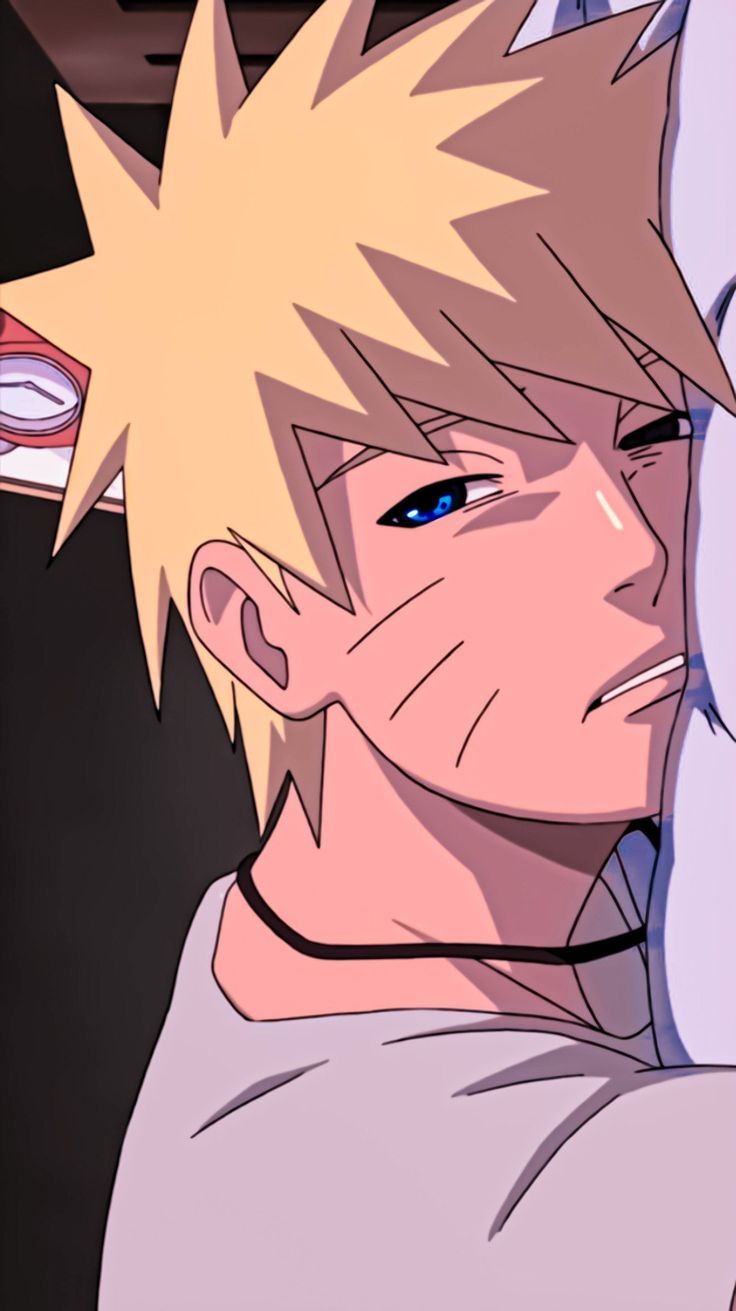 Uzumaki, Naruto
Uzumaki, Naruto's backstory
| Name | Naruto Uzumaki |
|---|---|
| Pronounciation | /nɑːˈruːtoʊ ˈuzʊmɑːki/ |
| Birthday | October 10 |
| Marital Status | Married |
| Zodiac Sign | Libra |
| Height | 180 cm (5'11") |
| Eye Color | Blue |
| Hair Color | Blonde |
| Occupation | Hokage |
| Blood Type | B |
| Nationality | Konohagakure (Hidden Leaf Village) |
| Favorite Food | Ramen |
| Least Favorite Food | Vegetables |
| Hobbies | Pranking, Training, Eating Ramen |
| Abilities Special Powers | Shadow Clone Technique, Rasengan, Sage Mode, Kurama's Chakra Mode, Six Paths Sage Mode |
| Known Family Members | Hinata Hyuga (Wife), Boruto Uzumaki (Son), Himawari Uzumaki (Daughter), Minato Namikaze (Father), Kushina Uzumaki (Mother) |
| Associated Characters | Sasuke Uchiha, Sakura Haruno, Kakashi Hatake, Jiraiya, Iruka Umino |

Introduction to Naruto Uzumaki
Brief Overview of Naruto
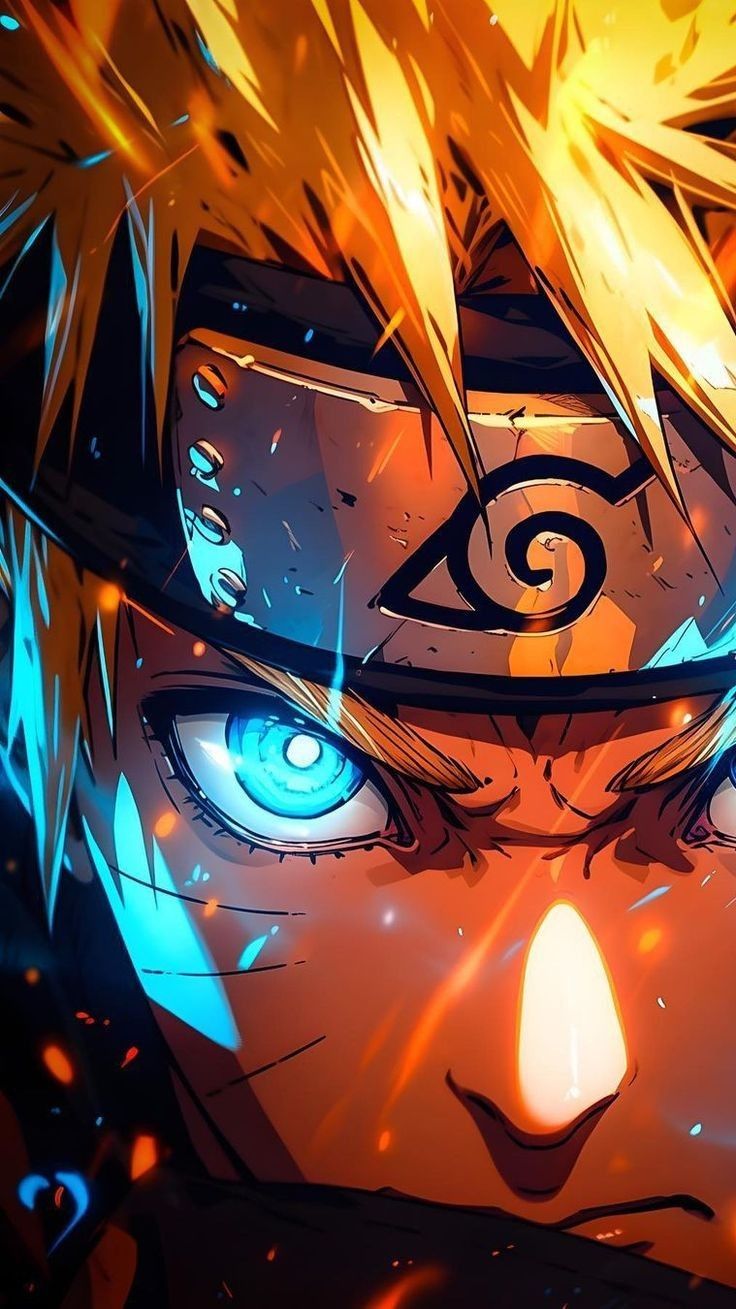
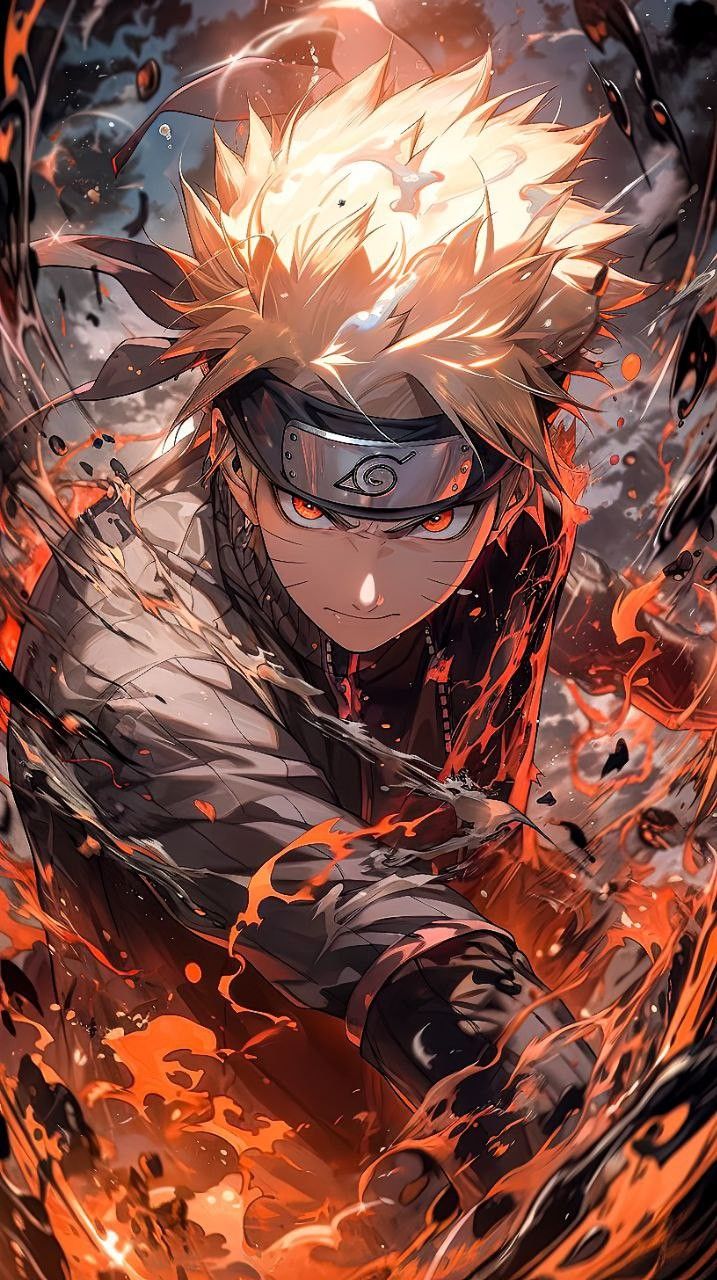
Naruto Uzumaki is the spirited, tenacious protagonist of the beloved anime and manga series "Naruto," created by Masashi Kishimoto. As the titular character, Naruto's journey from an ostracized orphan to the esteemed Seventh Hokage of Konohagakure (the Hidden Leaf Village) is both heart-wrenching and inspiring. Born as the jinchūriki (human host) of the Nine-Tails, Kurama, Naruto's life has been riddled with adversity, yet his unbreakable spirit and contagious optimism have driven him to overcome countless obstacles.
Importance in the "Naruto" Series
Naruto’s significance in the "Naruto" series extends beyond his role as the main character. He embodies the series' core themes of perseverance, friendship, and the eternal quest for acceptance. His journey reflects the trials of growing up and finding one's place in the world, making him a deeply relatable and inspirational figure for audiences. Naruto's story is not just about becoming the strongest ninja, but also about understanding and bridging gaps with others, ultimately achieving peace and harmony.
Popularity Among Fans
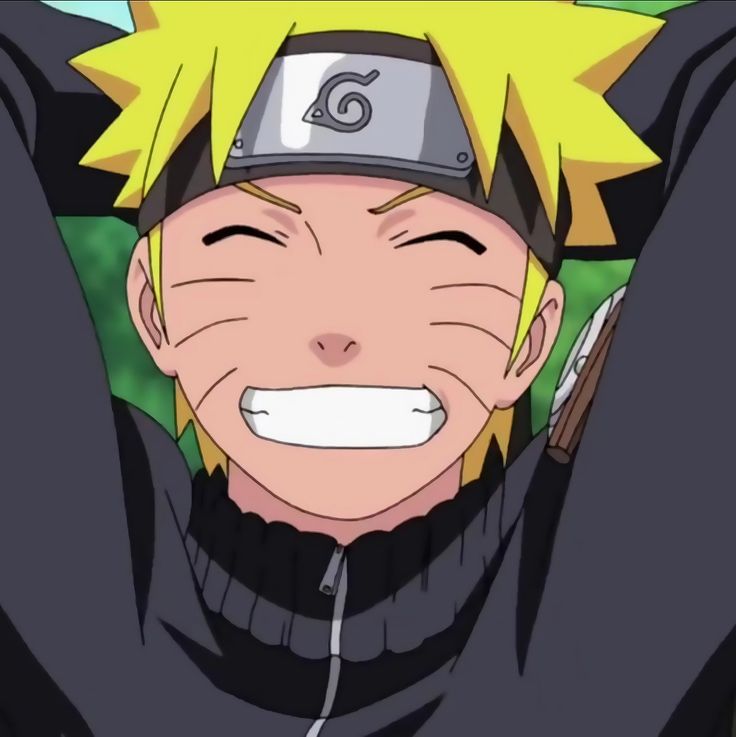
Naruto Uzumaki commands a massive global fanbase, with the series enjoying widespread acclaim since its debut. His bright orange jumpsuit, distinctive whisker markings, and boundless energy make him instantly recognizable. Fans admire Naruto's never-give-up attitude, his loyalty to friends, and his unyielding drive to prove oneself, which resonate deeply on a personal level. Polls and fan surveys frequently highlight Naruto as one of the most beloved characters in anime history. This popularity is reflected in the abundance of Naruto-related merchandise, from action figures and clothing to video games and themed events, solidifying his status as a cultural icon.
Early Life and Background
Naruto Uzumaki’s early life in Konohagakure, the Hidden Leaf Village, is a tale marked by tragedy, loneliness, and a burning desire for recognition. Born on the night of October 10th, Naruto’s fate was intertwined with an event that would forever alter his life and the lives of the villagers—a devastating attack by the Nine-Tailed Fox, Kurama.
Birth and Childhood in Konohagakure
Naruto's birth was shrouded in secrecy, as his mother, Kushina Uzumaki, was the jinchūriki of Kurama. The concealment was intended to protect both Kushina and the village. Tragically, during Naruto's birth, a masked figure known as Tobi infiltrated the village, causing Kushina to accidentally release Kurama. The rampage that ensued led to widespread destruction and loss of life, marking the beginning of Naruto’s tumultuous journey.
The Impact of the Nine-Tailed Fox Attack on His Life
In a desperate bid to save the village, Naruto’s father, Minato Namikaze—the Fourth Hokage—sacrificed his life by sealing Kurama within his newborn son, Naruto. This act, intended to turn Naruto into a hero, had the opposite effect. The villagers, scarred by the fox’s rampage, viewed Naruto as the embodiment of Kurama’s malevolence. Consequently, Naruto grew up ostracized, misunderstood, and shunned by those around him.
The Fourth Hokage's Role in Sealing the Demon Fox
Minato’s decision to seal Kurama within Naruto was driven by a desire to both safeguard the village and give Naruto the potential to control the formidable power of the Nine-Tails. Minato believed that Naruto would eventually find a way to harness Kurama's strength for good. However, the heavy burden of this responsibility weighed heavily on Naruto, who spent his childhood struggling to comprehend why he was treated with such hostility.
Naruto's Ostracization by the Villagers
The weight of his burden only deepened; the villagers' pervasive fear and hatred for Kurama meant that Naruto was often met with cold stares, whispers, and outright cruelty. The isolation he faced fostered a profound yearning for acknowledgment and friendship. Despite these hardships, Naruto's resilience and unyielding spirit shined through, driving him to seek validation in his own unique ways.
Boisterous Childhood and Determination to Succeed
Naruto’s response to the contempt he faced was a mixture of mischief and raw determination. He developed a penchant for pranks, aiming to draw attention to himself in any possible way. His antics, though often disruptive, were fueled by an intense desire to be noticed and accepted. Naruto's declaration to become Hokage, the leader of the village, was not just a distant dream but a life's mission—to prove his worth, earn respect, and protect his home.
These early experiences shaped Naruto into a character of immense emotional depth and strength. His boisterous and rambunctious nature hid a deep-seated vulnerability, contrasting with an unbreakable will to overcome adversity. This intricate background lays the foundation for Naruto's journey from a lonely outcast to a revered hero, showcasing the powerful themes of perseverance and self-discovery that resonate throughout the series.
Personality Traits
Naruto Uzumaki’s personality is as multifaceted as his journey in "Naruto," making him a compelling and inspirational protagonist. His character is defined by several core traits that have been crucial in shaping his adventure and the narrative of the series.
Naruto's Boisterous and Spirited Nature
Naruto is known for his vibrant and energetic demeanor. His spirited nature often manifests through his loud, enthusiastic voice and his persistent drive to be the center of attention. This trait is a direct reflection of his lonely childhood, where he sought acknowledgment through pranks and loud declarations. His catchphrase, "Dattebayo!" (Believe it!), captures his relentless optimism and high energy. Despite the hardship he faced, Naruto's buoyant spirit remained unextinguished, becoming an infectious source of inspiration for those around him.
His Unwavering Determination and Perseverance
Beyond his energetic personality, Naruto’s unwavering determination is perhaps his most defining trait. From the onset, his dream of becoming Hokage—the strongest ninja and leader of the Hidden Leaf Village—drives him to push beyond his limits. This perseverance is vividly illustrated during his training and battles. For instance, his relentless efforts to perfect the Rasengan, a powerful spinning ball of chakra, and his eventual mastery of Sage Mode, highlight his tenacity. Naruto's journey is punctuated by moments where his resolve to never give up stands as a beacon of hope, mirroring his ninja way: "I'm not gonna run away, I never go back on my word!"
Strong Sense of Justice and Loyalty to Friends
Naruto possesses an unshakeable sense of justice and a deep loyalty to his friends. His compassionate nature compels him to protect even those who have wronged him, believing in their potential for change. This is poignantly exhibited in his numerous efforts to save and redeem Sasuke Uchiha, his childhood friend turned rival. Naruto repeatedly risks his life, driven by a promise to bring Sasuke back to the village and believing firmly in the bonds of friendship. His unwavering commitment to his comrades and his readiness to combat injustice signify a hero's heart that beats with empathy and kindness.
Growth of His Character from Prankster to Hero
Naruto’s evolution from a mischievous prankster to a revered hero is a central theme of the series. Initially, his antics serve as a means to cope with his loneliness and to garner attention. However, as the story progresses, we witness a remarkable transformation. Naruto grows into a capable and mature ninja who understands the weight of his responsibilities. This growth is marked by numerous turning points, such as his victorious battle against Pain, which earned him the acknowledgment and respect of the entire village. This dramatic shift from an outcast to a celebrated hero epitomizes the series' themes of growth and redemption.
How His Personality Impacted His Journey
Naruto's personality traits significantly impact his journey, granting him the strength to overcome formidable adversities and to inspire others. His boisterous spirit attracts friends and allies, while his determination and sense of justice fuel his rise as a powerful ninja. His innate capacity for empathy and his belief in second chances allow him to connect deeply with both friends and foes, often changing their lives for the better. The synergy of these traits propels Naruto from obscurity to greatness, underscoring that true strength lies not only in physical prowess but also in the heart's resilience and capacity for love and forgiveness.
Naruto Uzumaki's rich personality, characterized by boundless energy, relentless determination, unwavering loyalty, and profound empathy, forms the cornerstone of his remarkable journey. These traits not only define his path but also endear him to fans worldwide, making his story a timeless testament to the power of the human spirit.
Abilities and Powers
Initial Skills and Training
Naruto Uzumaki started his journey as a ninja with minimal skills. During his early Genin days, he trained with Team Seven, composed of himself, Sasuke Uchiha, Sakura Haruno, and their mentor, Kakashi Hatake. Under Kakashi's guidance, Naruto learned the basics of ninjutsu, taijutsu, and teamwork. One of his first significant achievements was mastering the Shadow Clone Jutsu (Kage Bunshin no Jutsu). While most ninjas could create a few clones, Naruto's extraordinary chakra reserves allowed him to create hundreds of Shadow Clones, making this technique his signature move.
During the Chunin Exams, Naruto's training intensified. A key moment was his battle against Neji Hyuga, where he demonstrated strategic thinking and raw power by defeating a much stronger opponent with innovative uses of the Shadow Clones and his first successful use of the summoning technique (Kuchiyose no Jutsu) to summon toads.
Jinchuuriki Abilities
At the core of Naruto's abilities is his status as the Jinchuuriki of the Nine-Tailed Fox, Kurama. Initially, Kurama's chakra would often overwhelm Naruto, causing him to transform partially or fully into the beast during moments of intense anger or stress. These instances provided temporary power boosts but came at the cost of losing control.
Over time, Naruto began to develop a symbiotic relationship with Kurama. Through rigorous training and numerous battles, such as his iconic clash with Pain, Naruto learned to harness Kurama's chakra effectively. This development culminated in the formation of the Nine-Tails Chakra Mode, where Naruto enveloped himself in Kurama's chakra cloak, significantly enhancing his physical abilities, speed, and healing powers.
Naruto's mastery over Kurama's power also allowed him to perform powerful techniques like the Tailed Beast Rasengan and the Tailed Beast Bomb (Bijuu Dama), which are considered among the most devastating attacks in his arsenal.
Sage Mode
Under the mentorship of Jiraiya, one of the legendary Sannin, Naruto trained to unlock Sage Mode, a state that allowed him to harness natural energy. This mode drastically increased his strength, speed, and sensory abilities, making him formidable in battle. The training took place at Mount Myoboku, home of the toads, where Naruto learned to balance his own chakra with the natural energy around him.
Sage Mode is identified by the pigmentation around Naruto’s eyes and his frog-like pupils. In this state, Naruto's abilities were significantly enhanced, allowing him to sense the presence of others over vast distances and to perform powerful techniques such as the enhanced Rasengan. However, Sage Mode had its limitations; maintaining the balance of natural energy required Naruto to stay still, making it challenging to sustain during prolonged combat.
Six Paths Sage Mode
Naruto acquired Six Paths Sage Mode during the Fourth Great Ninja War after receiving chakra from Hagoromo Otsutsuki, the Sage of Six Paths. This new form combined the powers of Sage Mode with the abilities of the Six Paths, elevating Naruto's strength, speed, durability, and sensory perception to god-like levels.
In this mode, Naruto could fly and had access to a variety of new techniques, including Truth-Seeking Balls—versatile chakra orbs capable of both offense and defense. Additionally, he could instantaneously heal others, exemplified when he saved Might Guy from death and restored Kakashi Hatake’s lost eye.
The Six Paths Sage Mode also granted Naruto the ability to perform enhanced versions of his existing techniques, such as the Six Paths Senjutsu, which imbued his attacks with extraordinary power. This mode was pivotal in his battles against formidable opponents like Madara Uchiha and Kaguya Otsutsuki, underscoring the significant leap in his abilities.
Naruto Uzumaki’s arsenal of skills and powers, evolved through his relentless training and inherent potential, forms the bedrock of his legendary status in the ninja world. From his humble beginnings to attaining powers that rivaled gods, Naruto's journey of growth is as profound as it is inspiring.
Key Story Arcs and Achievements
The Land of Waves Arc
The Land of Waves Arc marks Naruto Uzumaki's first significant adventure and mission. Team Seven, comprised of Naruto, Sasuke Uchiha, Sakura Haruno, and their sensei Kakashi Hatake, is tasked with protecting Tazuna, a bridge builder, from the mercenary Zabuza Momochi and his young accomplice Haku. This arc showcases Naruto's first major battles and his initial step towards maturity. In their fight against Haku, Naruto taps into the Nine-Tails' chakra for the first time, demonstrating his untapped potential and unyielding spirit. The emotional aftermath of Haku and Zabuza's deaths leaves a profound impact on Naruto, instilling in him a deeper understanding of the harsh realities of the ninja world.
Chunin Exams
The Chunin Exams arc is pivotal for Naruto’s development as a shinobi. Here, Naruto faces numerous challenges, from the brutal Forest of Death to the intense Tournament Finals. A defining moment is his battle against Neji Hyuga, where Naruto defies expectations and triumphs against a more technically skilled opponent through sheer willpower and strategic use of his Shadow Clones and Nine-Tails chakra. This victory not only earns him greater respect from his peers but also symbolizes his rejection of predestined fate, a recurring theme in his journey.
Search for Tsunade & The Sannin Showdown
The hunt for Tsunade introduces Naruto to one of the legendary Sannin and future Hokage. Under Jiraiya's tutelage, Naruto learns the Rasengan, a powerful A-rank technique. The arc culminates in a dramatic showdown between Jiraiya, Tsunade, and Orochimaru, another Sannin. Tsunade, initially reluctant to embrace her role, is inspired by Naruto's unwavering belief in becoming Hokage, reigniting her sense of duty. This arc not only introduces significant allies but also marks Naruto’s growth in both combat skills and personal relationships.
Rescue Sasuke Mission
The mission to bring back Sasuke Uchiha, who defected to seek power from Orochimaru, is a turning point for Naruto. Alongside the strongest Genin of the Hidden Leaf Village, Naruto faces formidable foes known as the Sound Four. The arc highlights intense battles and personal growth for Naruto as he confronts his bond with Sasuke. The final clash between Naruto and Sasuke at the Valley of the End is emotionally charged, ending with Naruto's failure to bring Sasuke home but solidifying his resolve to never give up on his friend, propelling him into a new phase of training and determination.
Pain’s Assault
Naruto’s battle against Pain, the leader of the Akatsuki, is one of his most significant triumphs. Returning to the Hidden Leaf Village to find it devastated, Naruto engages in a fierce battle showcasing his newly acquired Sage Mode. The fight is a testament to his growth, not just in power but in his philosophy. In a climactic moment, Naruto successfully persuades Nagato (Pain) to abandon his path of destruction, highlighting Naruto's ability to effect change through empathy and understanding. This victory earns him the admiration and approval of the entire village, marking his ascendance as a hero of the Hidden Leaf.
Fourth Great Ninja War
Naruto plays a central role in the Fourth Great Ninja War, uniting the ninja world against the common threat posed by Madara Uchiha and the Akatsuki. Demonstrating extraordinary leadership and combat prowess, he masters the power of the Nine-Tails in collaboration with Kurama. Alongside Sasuke, Naruto battles the revived Madara and eventually Kaguya Otsutsuki, showcasing his growth into one of the most formidable ninjas ever. The war highlights thematic resonances of unity and peace, with Naruto standing at the forefront of these ideals.
The Final Battle with Sasuke
The final confrontation between Naruto and Sasuke at the Valley of the End stands as a culmination of their intertwined fates and enduring rivalry. The battle is fierce and emotionally charged, demonstrating the full extent of their powers. Despite their conflicting ideologies, Naruto remains resolute in his belief in their bond. The grueling fight ends in a stalemate, with both ninjas losing an arm, symbolizing their equal strength and shared pain. This battle ultimately leads to reconciliation, with Sasuke acknowledging Naruto’s unwavering dedication to their friendship and returning to the Hidden Leaf Village.
Naruto's journey through these key story arcs reflects his evolution from an impulsive, outcast kid to a hero revered across the ninja world, each arc contributing significantly to his growth and the overarching narrative of "Naruto."
Relationships with Other Characters
Team Seven
Sasuke Uchiha
Naruto's relationship with Sasuke Uchiha is one of the most compelling and complex dynamics in "Naruto." Despite beginning as teammates, Naruto and Sasuke’s rivalry is rooted in their contrasting personalities and abilities. Naruto's cheerful, determined nature often clashes with Sasuke's aloof, revenge-driven demeanor. Their relationship is characterized by a tumultuous blend of competition and camaraderie, with Naruto viewing Sasuke as a brother. One of the most poignant moments is Naruto’s vow to bring Sasuke back to the Hidden Leaf Village, a promise that drives much of Naruto’s actions. As Sasuke descends into darkness, Naruto's relentless pursuit to save his friend underscores the depth of their bond. Naruto's unwavering faith in their friendship culminates in their final battle, leading to Sasuke's redemption and return, illustrating a profound tale of loyalty and resilience.
Sakura Haruno
Naruto's relationship with Sakura Haruno starts off as a comedic one-sided crush, with Sakura initially viewing him as an annoying teammate while she harbored feelings for Sasuke. Over time, their relationship matures and deepens through shared hardships and battles. Sakura's medical skills and strength complement Naruto's brute force and indomitable spirit, making them a powerful team. One defining moment is when Sakura confesses her feelings to Naruto in an attempt to dissuade him from chasing Sasuke, a gesture he sees through, revealing his deep understanding of her true emotions. Throughout the series, Sakura’s faith in Naruto grows, recognizing his potential to change the world and stand as a monumental figure. Their bond evolves from mere teammates to lifelong friends who deeply respect and trust each other.
Mentors and Friends
Jiraiya
Jiraiya, one of the legendary Sannin, plays a critical role in Naruto’s development, serving as both mentor and father figure. Jiraiya’s rigorous training helps Naruto harness the power of the Nine-Tails and teaches him advanced techniques like the Rasengan. Their relationship is also marked by Jiraiya’s life lessons and wisdom, often imparted through his unique, somewhat perverse sense of humor. Jiraiya’s tragic death at the hands of Pain is a pivotal moment for Naruto, who is devastated by the loss but inspired to carry on his mentor's hopes and dreams. This event solidifies Naruto’s resolve to bring peace to the ninja world, honoring Jiraiya’s legacy.
Kakashi Hatake
Kakashi Hatake, the leader of Team Seven, significantly influences Naruto’s early growth as a ninja. His unconventional teaching methods challenge Naruto, fostering his creativity and resilience. Kakashi’s guidance is pivotal during key moments, such as the Chunin Exams and the battle with Zabuza. Beyond his role as a teacher, Kakashi acts as a role model for Naruto, embodying the qualities of a true shinobi: loyalty, strength, and wisdom. Kakashi’s belief in Naruto's potential is unwavering, often providing crucial support and advice that aid Naruto in his journey to becoming a Hokage.
Family and Legacy
Minato Namikaze (Fourth Hokage)
Minato Namikaze, the Fourth Hokage, greatly influences Naruto's life despite their limited direct interactions. Naruto's discovery that Minato is his father comes as a shock, bringing a sense of pride and a deeper connection to his legacy. Minato’s sacrifice to protect Naruto and the village instills in Naruto an immense respect and desire to uphold his father’s legacy. This revelation also helps Naruto understand his own identity and the immense power within him, guiding his actions and decisions throughout his journey.
Hinata Hyuga
Naruto’s relationship with Hinata Hyuga blossoms from mutual respect and admiration into a deep, loving bond. Hinata’s quiet strength and unwavering support significantly influence Naruto, providing emotional anchorage during his lowest moments. Their bond is beautifully highlighted during Pain’s assault, where Hinata’s bravery and declaration of love inspire Naruto to continue fighting. Their eventual marriage reflects Naruto’s growth from an isolated child to a beloved leader with a family who understands and supports him unconditionally.
Boruto and Himawari
As a father, Naruto faces new challenges and responsibilities, striving to balance his duties as Hokage with his role at home. His relationship with his children, Boruto and Himawari, is marked by love and occasional tension, particularly with Boruto, who struggles with the pressures of living up to his father's legacy. Naruto’s interactions with Boruto showcase his dedication to being a supportive father, aiming to teach his children the values of perseverance and understanding. Meanwhile, he shares a tender, affectionate bond with his daughter Himawari, highlighting his softer, more nurturing side. Through fatherhood, Naruto’s character is further enriched, bringing a full circle to his narrative from a lonely child to a protector of his own family and village.
Popularity and Cultural Impact
Naruto Uzumaki, the spirited protagonist of "Naruto," has become a cornerstone of modern pop culture, immensely influencing the anime industry and beyond.
Influence on Pop Culture and Anime Industry
Since its debut, "Naruto" has captivated millions, shaping the global perception of anime and manga. Naruto's story of perseverance, friendship, and redemption resonates deeply, fostering a massive, dedicated fanbase. The series' success is credited with sparking interest in Japanese anime worldwide, bringing the medium into mainstream entertainment. It helped usher in a golden era of anime, expanding the genre's popularity beyond its traditional confines.
Naruto's influence extends to inspiring countless other anime and manga creators. Themes of rivalries, ninja battles, and personal growth found in newer series often bear the hallmark of "Naruto’s" storytelling. This legacy of inspiration underscores Naruto’s pivotal role in evolving narrative techniques and character development within the anime industry.
Merchandise and Fanbase
The merchandise market for "Naruto" is extensive, reflecting the deep adoration fans have for Naruto Uzumaki and his adventures. From action figures, clothing, and accessories to video games and posters, Naruto's likeness is ubiquitous. Notably, headbands emblazoned with the Hidden Leaf Village symbol have become a cultural icon, even outside the anime fandom. These items allow fans to connect with the series tangibly, displaying their love and loyalty.
The fanbase's enthusiasm is exhibited at conventions and events worldwide, where countless fans cosplay as Naruto and other beloved characters. The emotional connection these fans feel drives widespread participation in discussions, fan fiction, and artwork dedicated to the series. This active fan engagement is a testament to Naruto’s enduring impact.
Appearances in Other Media and Crossover Events
Naruto's popularity has led to appearances in various media and crossover events, expanding his reach into new domains. He is a recurring character in video games such as the "Naruto: Ultimate Ninja" series, which allows players to immerse themselves in the world of ninjas. These games have been consistently praised for their faithful adaptation of anime battles and intricate storylines.
In addition to video games, Naruto has made appearances in other anime and manga through crossovers, further cementing his status as a versatile and influential character. Notable among these is his appearance in "Jump Force," a popular fighting game featuring characters from various Shonen Jump series. This crossover event showcases Naruto alongside luminaries like Goku from "Dragon Ball" and Luffy from "One Piece," highlighting his status as an anime icon.
Naruto's reach into other forms of entertainment and media is a testament to his broad appeal and cultural significance. His character embodies universal themes that resonate with diverse audiences, ensuring his legacy as an enduring figure in pop culture.
Trivia and Fun Facts
Naruto’s Favorite Foods and Hobbies
Naruto Uzumaki's gastronomic preference is iconic within the anime community. His favorite food is undoubtedly ramen, and he particularly loves the ramen served at Ichiraku Ramen, a popular eatery in Konoha. Naruto's love for ramen is so profound that it's a recurring element throughout the series, often providing a moment of levity amidst the intense narrative. As for hobbies, Naruto enjoys gardening, as evident when he takes care of a garden given to him by Jiraiya. Additionally, he spends a considerable amount of time training to perfect his ninja skills and thinking up new pranks, reflecting his playful and spirited nature.
Notable Quotes and Catchphrases
Naruto is known for several memorable quotes and catchphrases that encapsulate his indomitable spirit and unwavering determination. Among the most famous is his catchphrase, "Dattebayo!" often translated to "Believe It!" in English adaptations, which he uses to add emphasis during conversations. This phrase has become synonymous with his character. Another significant quote that resonates with fans is, "I'm not gonna run away, I never go back on my word, that’s my nindo: my ninja way!" This creed encapsulates Naruto’s resolve and commitment to his dreams and promises, serving as a motivational mantra for viewers.
Character Development Insights
Naruto's evolution as a character is one of the most compelling arcs in anime history. Starting as an ostracized orphan with a troublesome reputation, Naruto's journey to becoming the Hokage of Konoha is filled with trials and growth. His character development is deeply influenced by his personal experiences and interactions with other characters. Key moments, such as his battles with Sasuke and the death of Jiraiya, serve as catalysts for significant growth. Creator Masashi Kishimoto has often discussed how Naruto’s character was designed to embody themes of perseverance, acceptance, and the pursuit of dreams. In interviews, Kishimoto revealed, "Naruto’s journey is a reflection of the struggles and triumphs we all face, and his growth mirrors the concept of finding strength through adversity." This insight highlights why Naruto’s story resonates so deeply with audiences, as it reflects a universal narrative of personal growth and resilience.
Conclusion
Naruto Uzumaki’s journey from a lonely, mischievous boy to the esteemed Hokage of Konohagakure is one of the most poignant transformations in anime. His unwavering determination, compassion for others, and an indomitable spirit have cemented his place as a beacon of hope and perseverance. Throughout the series, Naruto’s growth is vividly depicted, not only in his increasing mastery of powerful jutsu but also in his evolving understanding of friendship, responsibility, and leadership.
In the broader narrative of "Naruto," he serves as the fulcrum through which many themes are explored, including the importance of bonds, the consequences of revenge, and the belief in a better future. Naruto's ability to inspire those around him and his relentless pursuit of peace through understanding rather than conflict underscores the series' deeper philosophical underpinnings.
As the story continues in "Boruto: Naruto Next Generations," fans eagerly speculate about Naruto’s ongoing role. While his journey as the central protagonist may have concluded, his legacy endures through his son, Boruto, and the new generation of shinobi. Fans hold high expectations, hoping to see Naruto continue to evolve as a leader and a mentor, guiding the new era while addressing new threats to their world.
Naruto’s enduring influence and the narrative's promise of ongoing growth and exploration ensure that his story remains a cornerstone of anime culture, inspiring fans old and new to believe in the power of dreams and the strength found in never giving up.