Chat with 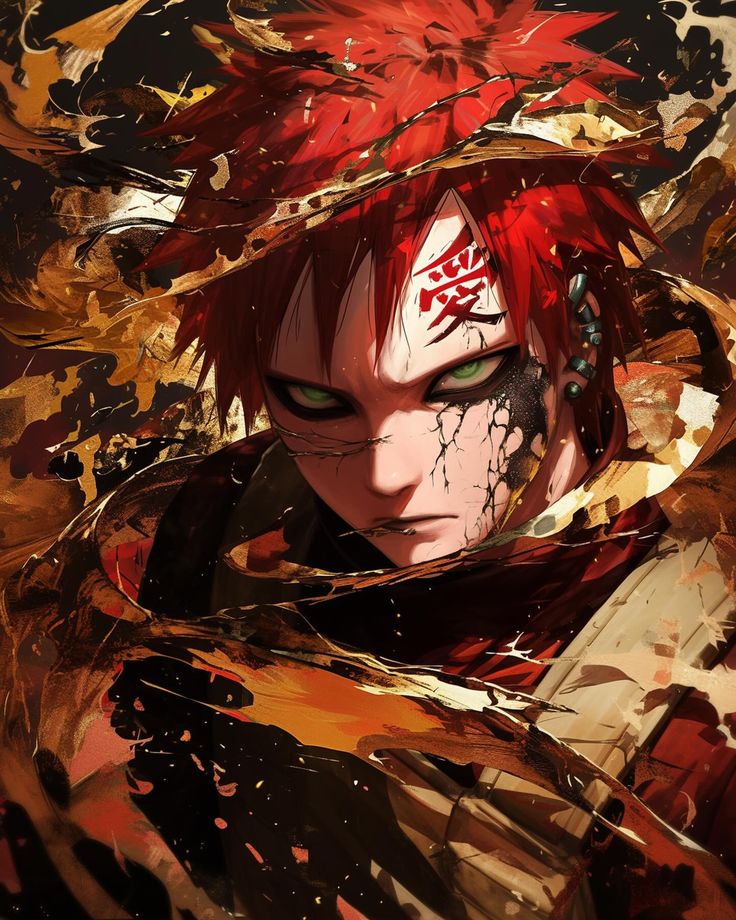 Gaara
Gaara



Gaara's backstory


Introduction to Gaara
Gaara, introduced as one of the most complex characters in the "Naruto" series, has captured the hearts of fans with his intriguing journey from a dreaded adversary to a beloved leader. Voiced by Akira Ishida in the Japanese version and Liam O'Brien in the English dub, Gaara's character is pivotal within the universe of "Naruto," created by Masashi Kishimoto. As the youngest Kazekage of Sunagakure, Gaara commands respect and admiration, both within the storyline and from the audience.
Importance in the "Naruto" Series
Gaara’s introduction as a fierce and seemingly unredeemable antagonist during the Chunin Exams sets the stage for one of the most compelling character arcs in "Naruto." Initially depicted as a ruthless shinobi with a thirst for blood, Gaara's backstory unfolds to reveal a deeply tormented soul burdened with the containment of the One-Tailed Beast, Shukaku. This transformation from an isolated, feared entity to a strong, empathetic leader underscores themes of redemption, acceptance, and transformation.
Gaara’s narrative intertwines crucially with that of Naruto Uzumaki, the series' protagonist. Both characters endure the burden of being jinchūriki—individuals possessing tailed beasts—and their respective journeys resonate with themes of loneliness and a desperate search for identity and recognition. Their evolving friendship symbolizes hope and understanding, beautifully illustrating the series' recurring message that the cycle of hatred can be broken through empathy and compassion.
Popularity Among Fans
Gaara’s complex character development and emotional depth have endeared him to fans worldwide. His iconic design—marked by his distinctive red hair, haunting pale blue eyes, and the "愛" ("love") kanji tattooed on his forehead—makes him instantly recognizable and memorable. This popularity extends beyond just the narrative, as evidenced by his frequent appearance in character polls, fan art, and cosplay at conventions.
Gaara’s unique ability to manipulate sand, a power granted by Shukaku, adds to his allure, making him not only a formidable fighter but also a character with visually stunning battles that captivate viewers. His stoic demeanor juxtaposed with moments of vulnerability crafts a narrative that fans find both relatable and inspiring.
In addition, Gaara's leadership as the Kazekage, where he earns the trust and admiration of his village, cements his position as a character who embodies growth, resilience, and the potential for change. This multidimensional portrayal has solidified Gaara's place as a fan-favorite in the "Naruto" series, with his legacy continuing to influence and inspire new generations of fans.
Early Life and Background
Gaara's early life is marked by both tragedy and destiny, greatly influencing his development as one of the most intriguing characters in the "Naruto" series.
Birth and Childhood
Gaara was born in Sunagakure (the Village Hidden in the Sand) to Karura and Rasa, who was the Fourth Kazekage at the time. From birth, Gaara's life was fraught with suffering and complexity. Gaara's mother, Karura, died immediately after childbirth, instilling a deep sadness within him. Named "Gaara," which means "demon who only loves himself," he was destined to be a vessel for the One-Tailed Beast, Shukaku, from birth.
Relationship with His Father, the Fourth Kazekage
Gaara's relationship with his father was contentious and void of affection. The Fourth Kazekage saw Gaara more as a tool than as a son. He orchestrated Gaara's transformation into the jinchūriki of Shukaku, hoping to create the ultimate weapon for Sunagakure. This lack of paternal love and the pressure to be a fearsome shinobi placed a heavy burden on young Gaara, contributing to his early psychological torment.
Early Isolation and Loneliness
As a child, Gaara was ostracized by his village. The fear and hatred from the villagers who saw him solely as a monster fed into his growing despair and loneliness. His uncontrollable powers and the deadly rages fueled by Shukaku's influence further isolated him. Gaara's uncle, Yashamaru, was one of the few who showed him any kindness. However, Gaara's heartbreak deepened when Yashamaru revealed, during an assassination attempt orchestrated by the Fourth Kazekage, that he harbored resentment towards Gaara for causing Karura’s death.
Becoming the Jinchūriki of Shukaku
Gaara's status as the jinchūriki of Shukaku, the One-Tailed Beast, is central to his early life struggles. The beast's sand manipulation abilities endowed Gaara with extraordinary powers but also caused immense mental anguish. Tormented by Shukaku's whispers and cravings for blood, Gaara adopted a ruthless demeanor, believing that he must live only for himself, thereby justifying his existence through the suffering of others.
Impact on Character Development
These elements of Gaara’s early life provided the foundation for his complex character arc in "Naruto." The childhood filled with pain, loneliness, and a desperate yearning for love is what makes Gaara's evolution from a feared adversary to a beloved leader so compelling. His story highlights the themes of redemption and the transformative power of understanding and empathy, resonating deeply with fans who see in Gaara a symbol of hope and resilience.
Through this traumatic early background, Gaara's journey becomes a poignant tale of overcoming the shadows of one's past, ultimately finding a new path shaped not by suffering and isolation, but by compassion and leadership.
Personality Traits
Gaara's Initial Violent and Unstable Nature
In his early appearances in the "Naruto" series, Gaara is portrayed as a deeply troubled and violent individual. Driven by Shukaku's malignant influence and a desperate need to prove his existence, Gaara exhibits ruthless behavior and a willingness to kill without hesitation. His infamous quote, "I fight for myself and love only myself," encapsulates his initial mindset, where self-preservation through the suffering of others becomes his sole means of validation. This behavior results from years of isolation and fear from the villagers of Sunagakure, who viewed him as nothing more than a dangerous monster.
Transformation After Meeting Naruto Uzumaki
A significant turning point in Gaara's personality occurs after his confrontation with Naruto Uzumaki during the Chūnin Exams. Naruto's fierce determination and unwavering belief in bonds and friendship resonate deeply with Gaara. Witnessing Naruto's struggle to protect his friends and his ability to find strength through connection, Gaara starts to reconsider his own path. This transformative encounter is best highlighted when Naruto says, "I finally understand what it means to have a friend," prompting Gaara to reflect on his own loneliness and the possibility of change.
Development of Compassion and Responsibility
As Gaara begins to embrace Naruto's ideals, he undergoes a profound transformation. Moving away from his previous inclination towards violence, Gaara starts to develop empathy and compassion. His new perspective allows him to understand and appreciate the value of bonds with others. This evolution is evident when he becomes protective of his siblings, Kankurō and Temari, and shows genuine concern for the welfare of his village. Gaara's journey from a feared antagonist to a compassionate leader underscores the themes of redemption and the positive impact of meaningful connections.
Role as the Kazekage and Protector of Sunagakure
Gaara's eventual ascension to the role of the Fifth Kazekage marks the culmination of his character development. As Kazekage, Gaara epitomizes responsibility and selflessness, dedicating himself to the protection and prosperity of Sunagakure. His leadership is characterized by a keen sense of justice and the willingness to put the village's needs above his own. This new role also symbolizes Gaara's acceptance and the villagers' trust in him, transforming their fear into admiration. A notable moment that highlights his growth is his speech before the Fourth Great Ninja War, where he states, "I am an ally of the Leaf Village, as well as a fellow shinobi who shares the same desire for peace."
Gaara's personality traits reflect a remarkable journey from a life defined by pain and loneliness to one filled with compassion and leadership. His story is a testament to the power of understanding, empathy, and the transformative influence of positive relationships.
Abilities and Powers
Jinchuriki Abilities
Gaara possesses immense power as a Jinchuriki, primarily due to the One-Tailed Beast Shukaku sealed within him. Shukaku's influence grants Gaara extraordinary abilities, most notably his unrivaled control over sand.
Sand Manipulation and Defense
Gaara's control over sand is one of his most defining and formidable abilities. He can manipulate sand at will, using it for both offensive and defensive maneuvers. This skill is deeply tied to Shukaku, as the beast enhances Gaara's sand manipulation. One of his most iconic defensive techniques is theSand Shield, a protective barrier that automatically guards him against attacks, ensuring his safety even when he's off-guard or unconscious.
Sand-based Techniques and Their Evolution
Over time, Gaara's usage of sand evolves, showcasing his growth as a shinobi. Initially, he relies on raw power and Shukaku's influence to crush his opponents, but as he matures, his techniques become more refined and precise. His control over sand becomes a versatile tool in battle, reflecting his strategic acumen and adaptability.
Ninjutsu Mastery
While Gaara's sand abilities stand out, he also masters various ninjutsu techniques, making him a well-rounded and formidable ninja.
Sand Coffin and Sand Burial
Two of Gaara's signature moves are theSand CoffinandSand Burial. The Sand Coffin encases an opponent in a dense layer of sand, immobilizing them. He then executes the Sand Burial, which crushes the encased victim with immense pressure. These techniques are exceptionally effective in battle, often resulting in a swift end for his adversaries.
Example:During his fight against Kimimaro, Gaara uses these techniques to devastating effect, demonstrating not just power but also his improved strategic thinking.
Sand Shield and Sand Armor
Gaara employs several defensive strategies to protect himself during combat. TheSand Shieldis an automatic defense mechanism that repels attacks, while theSand Armorforms a layer of sand around his body, guarding against physical and chakra-based assaults. These defenses highlight his ability to anticipate and counter threats effectively.
Quote:In his battle against Deidara, Gaara's defensive prowess is on full display as he uses the Sand Shield to fend off explosive attacks, showcasing his capability to protect both himself and his village.
Other Sand-based Techniques
Aside from his well-known techniques, Gaara innovates and varies his sand-based attacks. From creating massive sandstorms to crafting elaborate constructs like theThird Eyefor surveillance or the impenetrableDesert Layered Imperial Funeral, Gaara's versatility with sand makes him unpredictable and highly dangerous in combat.
Example:His battle against Gengetsu Hōzuki during the Fourth Great Ninja War demonstrates Gaara’s ingenious and evolving sand techniques, where he combines sand and gold dust to counter his opponent’s abilities.
Kazekage's Authority
Gaara's power extends beyond individual combat into his role as the Fifth Kazekage of Sunagakure.
Responsibilities and Leadership Skills
As Kazekage, Gaara's responsibilities are vast. He oversees the village's defense, manages ninja missions, and ensures the well-being of his people. His leadership skills are marked by a strong sense of justice and compassion, reflecting his transformed personality.
Quote:"I may have been a demon, but I've left that all behind. Now, I'll protect those I care about," Gaara solemnly vows, embodying his dedication to his role as a protector.
Strategic Prowess in Conflicts
Gaara's strategic mind is evident in his capacity to plan and execute complex military maneuvers. His intelligence and foresight are crucial during the Fourth Great Ninja War, where he leads the Allied Shinobi Forces' Fourth Division with exceptional tactical acumen.
Example:Gaara's strategic decisions significantly influence the outcome of several battles, from coordinating defensive measures to rallying troops, demonstrating his tactical expertise.
Protective Measures for Sunagakure
Beyond combat, Gaara implements various measures to ensure Sunagakure's security and prosperity. He fosters alliances with other villages, promotes peace initiatives, and guides his people with wisdom and empathy.
Gaara’s abilities and powers are a testament to his journey from a feared Jinchuriki to a revered and respected Kazekage. His mastery over sand and his evolution into a strategic leader demonstrate the depth and breadth of his character, making him one of the most compelling figures in the "Naruto" series.
Key Story Arcs and Achievements
Chunin Exams Arc
Gaara’s introduction during the Chunin Exams arc is nothing short of impactful. His initial appearance sets the stage for his complex character, highlighting his lethal power and ruthless demeanor. One of Gaara’s most memorable battles in this arc is his fight against Rock Lee. The clash showcases Gaara’s superior sand manipulation abilities and his seemingly impenetrable defense, the Sand Shield. Despite Lee's incredible speed and strength, Gaara's Sand Coffin technique decisively ends the battle, leaving a lasting impression on both the characters and the audience.
Invasion of Konoha
During the Invasion of Konoha arc, Gaara's involvement becomes a focal point. Gaara, driven by Shukaku’s influence, becomes a significant force in the attack orchestrated by Orochimaru and the Sand Village on Konoha. His battle against Naruto Uzumaki marks a critical turning point. Initially overwhelmed by Shukaku’s ferocity, Gaara begins to understand the bonds that Naruto shares with his friends, setting Gaara on a path toward self-reflection and change. The battle's outcome not only shifts the course of the invasion but also sows the seeds of Gaara’s eventual redemption.
Search for Tsunade
In the Search for Tsunade arc, Gaara’s interactions with the main cast deepen his character development. As he encounters Naruto and others, Gaara begins to move away from his once-violent tendencies. This period is crucial for his transition from an isolated, fearsome entity to someone who starts to value relationships and teamwork. He forms a tentative alliance with Naruto, inspired by the latter's resilience and the power of friendship, which becomes a cornerstone of Gaara's evolving philosophy.
Kazekage Rescue Mission
The Kazekage Rescue Mission is a pivotal arc that underscores Gaara's growth and his significance as a leader. Gaara is captured by the Akatsuki and subjected to the extraction of Shukaku. His capture galvanizes the allies from Konoha, leading to a joint effort to rescue him. Despite losing Shukaku, Gaara’s resurrection by Chiyo’s life-transferring technique profoundly impacts his outlook on life and leadership. The villagers of Sunagakure, once fearful of him, now rally around him, recognizing his sacrifices and dedication as their Kazekage. Gaara's return to life symbolizes his complete transformation from a feared Jinchuriki to a beloved leader.
Fourth Great Ninja War
In the Fourth Great Ninja War, Gaara's role is monumental. As the commander of the Fourth Division of the Allied Shinobi Forces, his strategic ingenuity and combat prowess are vital. Gaara's leadership shines through as he coordinates various defensive and offensive operations. His battle against the reanimated Kage, including his father, is particularly notable. This confrontation allows Gaara to confront and reconcile with his past, leading to a deeper understanding and acceptance of his identity.
Gaara’s contributions during the war, from his tactical decisions to his front-line leadership, underscore his evolution into a respected commander and a symbol of hope for his allies. His efforts greatly influence the war’s outcomes, showcasing his growth from an isolated loner to a figure of unity and strength.
Throughout these arcs, Gaara’s journey is marked by significant achievements and profound personal growth. His transformation from a feared weapon to a revered leader is a testament to the depth and complexity of his character, making him one of the most compelling and beloved figures in the "Naruto" series.
Relationships with Other Characters
Naruto Uzumaki
Gaara's relationship with Naruto Uzumaki is pivotal to his transformation and character development. Initially, Gaara views Naruto as just another opponent, albeit a significant one during their battle in the Invasion of Konoha arc. However, the fight's aftermath is where their bond begins to form. Naruto’s unwavering determination and his own struggle with being a Jinchuriki resonate deeply with Gaara, who sees in Naruto a mirror of his potential fate had he chosen a different path. The compassion and empathy Naruto extends to Gaara plant seeds of change, leading Gaara to slowly shed his violent tendencies and seek redemption. This growing friendship continues to flourish throughout the series, with Gaara expressing immense respect and gratitude towards Naruto, even acknowledging him during the Fourth Great Ninja War: "Naruto... because of you, I was able to become Kazekage. You changed my world."
Siblings: Kankuro and Temari
Gaara's siblings, Kankuro and Temari, play crucial roles in his life, especially in humanizing him and providing the familial support he sorely needs. Initially, their relationship is strained and filled with fear due to Gaara’s unstable and violent nature. However, as Gaara begins to change, the dynamic among the siblings shifts towards mutual respect and solidarity. Key shared experiences, such as fighting alongside each other during the various battles and missions, strengthen their bond. Their unity is particularly evident during the Kazekage Rescue Mission, where Kankuro and Temari's determination to rescue Gaara from the Akatsuki underscores their deep familial loyalty and love. Gaara’s siblings become his staunchest allies, playing significant roles in both his personal growth and his duties as Kazekage.
Other Kages and Village Leaders
Gaara’s interactions with other Kages and village leaders highlight his growth from an isolated figure to a respected leader on the world stage. As Kazekage, Gaara navigates complex political dynamics with a focus on peace and cooperation, often demonstrating wisdom and foresight beyond his years. One notable alliance is with Tsunade, the Hokage of Konoha, which is rooted in mutual respect and shared goals. Gaara's participation in the Five Kage Summit further cements his status as a mature and strategic leader, willing to stand against the threats posed by the Akatsuki and Madara Uchiha. His ability to articulate the need for unity among the Hidden Villages showcases his evolution from a lone avenger to a key proponent of peace and collaboration.
Sunagakure Shinobi
The bonds Gaara forges with the shinobi of Sunagakure are foundational to his role as Kazekage. Initially feared and ostracized due to his uncontrollable power and violent behavior, Gaara slowly earns the trust and admiration of his comrades through his actions and leadership. His commitment to protecting the village, even at great personal risk, transforms him into a beloved figure. One poignant example is his relationship with his bodyguard, Matsuri, who idolizes Gaara for his strength and kindness. The emotional support and loyalty from his subordinates are crucial during Gaara’s capture and subsequent resurrection, emphasizing the deep bonds he has nurtured within Sunagakure. Gaara’s transformation from a feared weapon to a respected and compassionate leader is encapsulated in his relationships with his fellow shinobi, who come to see him not just as their Kazekage but as a beacon of hope and strength.
Popularity and Cultural Impact
Influence on Pop Culture
Gaara of the Desert has become an iconic character in anime and manga, largely due to his complex backstory, significant character development, and unique abilities. Introduced as a fearsome antagonist in "Naruto," Gaara's transformation into a revered and empathetic leader resonates with fans across the globe. His journey from a feared Jinchuriki to the respected Kazekage of Sunagakure embodies themes of redemption and personal growth, striking a chord with audiences. Gaara's influence extends beyond the realm of anime, often being cited as a character who highlights the importance of empathy, understanding, and the power of positive change.
Merchandise and Fanbase
Gaara's merchandise is as diverse as it is abundant, reflecting his popularity. Fans can find everything from action figures and statues to cosplay costumes and accessories themed around Gaara. His signature gourd, distinct facial tattoo, and sand manipulation abilities are frequently featured in these products, making them instantly recognizable. Collectibles such as Funko Pop figures, keychains, and apparel are particularly popular among enthusiasts. The strong and dedicated fanbase that Gaara commands often expresses their admiration through fan art, fan fiction, and participating in cosplay at conventions, where his character continues to be a favorite.
Notable Appearances in Media
Beyond the "Naruto" and "Naruto Shippuden" anime series, Gaara has appeared in various other media forms, further cementing his cultural impact. He is a prominent character in multiple "Naruto" films, including "Naruto Shippuden the Movie: The Will of Fire" and "Naruto Shippuden the Movie: Blood Prison." Gaara's presence extends to numerous video games in the "Naruto" franchise, such as "Naruto: Ultimate Ninja" series, "Naruto Shippuden: Clash of Ninja," and "Naruto Shippuden: Ultimate Ninja Storm." His unique fighting style and sand-based attacks make him a formidable and favorite character to play. Additionally, Gaara has made cameo appearances in various cross-media promotions and collaborations, further showcasing his wide-reaching influence. His enduring popularity and continued relevance in various media highlight the lasting impact Gaara has had on both the "Naruto" franchise and the broader landscape of anime and manga.
Trivia and Fun Facts
Favorite Food and Hobbies
Gaara's character is as intriguing in personal tastes as it is in his narrative role. Though the "Naruto" series offers scant details on his culinary preferences, the official character data books reveal that his favorite food is salted tongue and gizzard—a preference reflecting his unique and perhaps unconventional tastes. When it comes to hobbies, Gaara demonstrates a penchant for meditation and training, emphasizing his commitment to self-control and continuous improvement. After becoming Kazekage, his responsibilities seldom allow for leisure, but his rare moments of free time are often spent deep in contemplation or exercising his sand manipulation abilities in artistic pursuits.
Least Favorite Things
Gaara's least favorite food is marron glacé, indicative of his general aversion to sweet things. Beyond dietary dislikes, Gaara harbors a deep-seated aversion to loneliness and the pain associated with his traumatic childhood. His early life, marked by isolation due to the fear others had of his Jinchuriki status, left a profound impact on him. This resulted in a strong dislike for any situation or reality in which he is alienated or abandoned. He also develops an animosity towards betrayal and deceit, given his tumultuous past with Shinobi politics and the hostility he endured from fellow villagers.
Character Development Insights
The evolution of Gaara's character is one of the most compelling arcs in "Naruto." Initially introduced as a cold and ruthless antagonist driven by a nihilistic belief in survival of the fittest, Gaara's development arcs towards redemption and empathy are profound. His transformation begins after his defeat by Naruto Uzumaki, who empathizes with his pain and shows him a path to acceptance and love rather than fear and hatred. This pivotal moment catalyzes Gaara's journey towards becoming a compassionate leader and ultimately, the Kazekage of Sunagakure.
The creator of "Naruto," Masashi Kishimoto, crafted Gaara’s character to explore the themes of loneliness and redemption. Kishimoto has spoken about how Gaara’s experiences mirror those of Naruto, presenting an alternative path that Naruto could have taken had he not found friends and mentors. According to Kishimoto, Gaara’s gradual shift from isolation to inclusion and leadership underscores the narrative's broader themes of the importance of bonds and community. His character serves as a powerful testament to the healing potential of understanding and compassion, making Gaara one of the most multifaceted and dynamic characters in the series.
Conclusion
Gaara's journey from a tormented child to a revered Kazekage exemplifies one of the most remarkable character evolutions in anime history. His transformation is marked by deep personal growth, as he transitions from a lonely, vengeful boy to a wise and compassionate leader. This evolution is not only a testament to his inherent strength and resilience but also underscores the powerful themes of redemption, friendship, and understanding that permeate the broader narrative of "Naruto."
In the overarching plot of "Naruto," Gaara plays a critical role in bridging the gap between different ninja villages. His alliance with Naruto and other key characters is pivotal in fostering unity against common threats, such as the Akatsuki and, later, Kaguya Otsutsuki. Gaara's ability to overcome his dark past and use his experiences to lead with empathy highlights the series' message that one's past does not define their future.
As "Naruto" progresses into "Boruto: Naruto Next Generations," fans eagerly anticipate Gaara's continuing role. His leadership remains vital in maintaining peace and nurturing the next generation of Shinobi. Speculations abound regarding his future actions, especially in the context of emerging threats and the political dynamics within the ninja world. Fans expect to see Gaara continue to be a pillar of strength and wisdom, guiding both his village and his own children, who carry forward his legacy.
In essence, Gaara's character arc is a beautiful narrative of transformation and redemption. His enduring popularity among fans is a testament to the profound impact of his story, as it resonates with many who find inspiration in his journey from pain to peace. As the series continues to evolve, Gaara's legacy as a symbol of hope and resilience remains firmly entrenched in the hearts of "Naruto" fans worldwide.